Need to Sell Your House During Financial Hardship?
First Choice Home Sale helps homeowners navigate complex situations including bankruptcy proceedings. Get a no-obligation cash offer today.
Call now: (866) 643-5829
Key Takeaways
- Chapter 7 bankruptcy may force home liquidation unless protected by homestead exemptions
- Chapter 13 allows home retention but requires court approval for any property sales
- California homestead exemptions protect $75,000-$600,000 in home equity depending on circumstances
- Strategic timing of home sales can maximize debt relief and protect available equity
- Quick cash sales may provide alternatives to traditional bankruptcy proceedings
- Bankruptcy trustees must approve all property transactions during active cases
Bankruptcy and Home Ownership Overview
Bankruptcy affects home ownership differently under Chapter 7 and Chapter 13, with homestead exemptions potentially protecting equity while trustees may force sales in certain circumstances.
Bankruptcy filings involving real estate have increased substantially, with approximately 65% of Chapter 7 cases and 85% of Chapter 13 cases involving homeowners. Understanding bankruptcy’s impact on your home depends on bankruptcy type, available equity, and applicable exemption laws.
Homestead exemptions protect homeowners by shielding home equity from creditors. These exemptions vary significantly between federal and state law, with California offering more generous protection than federal alternatives.
The automatic stay upon filing bankruptcy immediately stops collection activities, including foreclosure proceedings. This provides breathing room for homeowners to evaluate options and develop appropriate strategies for retaining or selling property.
Chapter 7 involves liquidating non-exempt assets to pay creditors, while Chapter 13 allows reorganizing finances through a 3-5 year payment plan. Each chapter treats real estate differently, creating distinct advantages and limitations.
Property values, outstanding mortgage balances, and equity calculations determine whether homes face liquidation risk or qualify for exemption protection. Professional bankruptcy attorney guidance ensures homeowners understand their rights and options under applicable laws.
Chapter 7 Bankruptcy and Your Home
Chapter 7 bankruptcy may result in home liquidation by trustees unless protected by homestead exemptions, with debtors having limited control over sale decisions and timing.
Homestead Exemption Protection
Homestead exemptions in Chapter 7 protect home equity up to specified amounts, preventing trustees from forcing sales when equity falls within protected limits. California homeowners can choose between state exemptions ranging from $75,000 to $600,000 or federal exemptions of $27,900 for 2024.
Calculating protected equity involves subtracting total secured debt from current market value, then applying the appropriate exemption. For example, a $400,000 home with a $320,000 mortgage has $80,000 equity, potentially fully protected under California’s basic $75,000 exemption.
Non-exempt equity above exemption limits becomes vulnerable to trustee liquidation. Homeowners with significant non-exempt equity face potential forced sales unless they can negotiate arrangements to pay the non-exempt value to the bankruptcy estate through refinancing or other financing solutions.
Joint ownership arrangements complicate exemption calculations, particularly when only one spouse files bankruptcy. Community property rules in California affect how exemptions apply to jointly-owned homes, requiring careful analysis of ownership interests and protection levels.
When the Trustee Can Sell
Bankruptcy trustees evaluate homes for liquidation based on net proceeds available for creditors after deducting exemptions, sales costs, and outstanding liens. Trustees typically pursue sales only when non-exempt equity exceeds $5,000-$10,000, considering administrative costs and effort required.
The trustee’s cost-benefit analysis includes real estate commissions (typically 6%), closing costs, title insurance, and potential repair expenses. These costs reduce net proceeds available for creditors, making many homes with modest non-exempt equity uneconomical to liquidate.
Timeline for trustee decisions typically occurs within 60-90 days after the initial creditors’ meeting. Trustees must act promptly to preserve asset values and avoid market fluctuations affecting recovery amounts.
Administrative considerations include property maintenance responsibilities, insurance requirements, and potential liability exposure during liquidation. Trustees prefer clear-cut cases with substantial non-exempt equity rather than marginal properties requiring ongoing management.
Voluntary Sale Options
Debtors retain the right to sell homes voluntarily in Chapter 7, subject to trustee approval and court oversight when non-exempt equity exists. Voluntary sales often achieve higher prices than trustee-conducted auctions, benefiting both debtors and creditors.
Court approval for voluntary sales includes filing motions, providing creditor notice, and demonstrating that proposed terms serve bankruptcy estate interests. The approval process typically takes 2-4 weeks, depending on court schedules and potential objections.
Sale proceeds distribution follows statutory priorities, with secured debt payments, exemption amounts to debtors, and remaining funds to the bankruptcy estate for creditor distribution. Understanding these rules helps debtors plan strategically for post-sale financial recovery.
Strategic timing considerations include market conditions, seasonal factors, and coordination with bankruptcy deadlines. Working with experienced real estate professionals familiar with bankruptcy procedures ensures compliance while maximizing sale proceeds.
Chapter 13 Bankruptcy and Property
Chapter 13 bankruptcy allows debtors to keep their homes while making payment plan arrangements, but requires court approval for any property sales during the 3-5 year plan period.
Payment Plan Impact
Chapter 13 payment plans enable homeowners to retain properties while reorganizing debts through court-supervised repayment arrangements lasting three to five years. These plans must address mortgage arrears, ongoing monthly payments, and unsecured debt obligations based on disposable income calculations.

Mortgage payments continue during Chapter 13, with current monthly obligations paid outside the plan while arrears are addressed through plan payments. This structure allows homeowners to catch up on delinquent payments gradually while maintaining current status.
Disposable income calculations determine monthly plan payment amounts, affecting debtors’ ability to maintain property expenses alongside bankruptcy obligations. Higher property values and associated taxes, insurance, and maintenance costs can strain payment plan feasibility.
Plan modifications may become necessary when property expenses exceed projections or when income changes affect payment capacity. Courts generally approve reasonable modifications that maintain plan viability while protecting creditor interests and ensuring successful completion.
Court Approval Requirements
Selling real property during Chapter 13 requires formal court approval through motion practice, ensuring transparency and protecting creditor interests. The motion must demonstrate necessity or advantage for the proposed sale and provide detailed sale terms and proceeds distribution information.
Required documentation includes purchase agreements, comparative market analyses, real estate commission disclosures, and proposed use of sale proceeds. Courts examine whether sale prices reflect fair market value and whether terms serve the bankruptcy estate’s interests.
Creditor notification requirements ensure all interested parties receive adequate notice of proposed sales, allowing opportunities for objections or alternative proposals. The notification period typically extends 21-28 days, depending on local court rules.
Timeline expectations for court approval range from 4-8 weeks, considering motion filing, creditor notice periods, potential objections, and court hearing schedules. Expedited procedures may be available for time-sensitive situations involving market conditions or buyer financing deadlines.
Modification Possibilities
Chapter 13 plan modifications following home sales can accelerate plan completion or adjust payment terms based on available proceeds after mortgage payoffs and exemption distributions. These modifications require court approval and must maintain good faith compliance with bankruptcy code requirements.
Early plan completion becomes possible when home sale proceeds provide sufficient funds to satisfy plan payment obligations ahead of schedule. Courts generally approve early completion when creditors receive payments equivalent to or exceeding original plan amounts.
Payment adjustments may be necessary when home sales eliminate significant monthly expenses, increasing disposable income available for plan payments. Conversely, relocation costs and rental expenses may justify payment reductions in certain circumstances.
Good faith requirements mandate that plan modifications serve legitimate purposes rather than attempting to circumvent creditor rights or bankruptcy obligations. Courts scrutinize modifications carefully to ensure compliance with bankruptcy code provisions and creditor protection.
California Homestead Exemption Laws
California’s homestead exemption protects between $75,000-$600,000 in home equity during bankruptcy, depending on factors like age, disability status, and family composition under current state law.
Exemption Amounts
California offers two distinct exemption systems, allowing debtors to choose between CCP 703 (based on federal exemptions) and CCP 704 (California-specific exemptions) depending on which provides better protection. System selection affects homestead protection and all available exemptions for personal property, vehicles, and other assets.
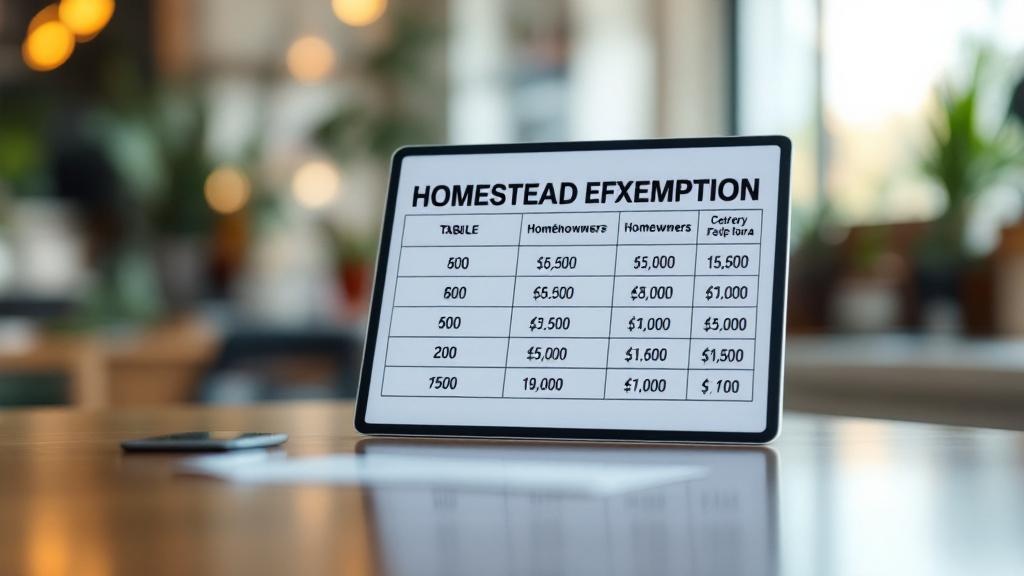
| Exemption System | Basic Amount | Family/Elderly/Disabled | Special Circumstances |
|---|---|---|---|
| CCP 704 (California) | $75,000 | $175,000 | Varies by county median income |
| CCP 703 (Federal-based) | $27,900 | $27,900 | $600,000 maximum with wildcard |
The $600,000 protection level under CCP 703 requires strategic use of wildcard exemptions and may not be available in all cases depending on other asset protection needs. This higher exemption amount can provide substantial protection for homeowners with significant equity in expensive California real estate markets.
County-specific variations affect exemption calculations, with some counties providing enhanced protection based on median home values and cost of living adjustments. These variations require careful analysis of applicable county rules and current exemption amounts.
Qualification Requirements
California homestead exemptions apply automatically to primary residences without requiring formal declarations in most bankruptcy cases, but understanding qualification criteria ensures proper protection application. The residence must serve as the debtor’s principal dwelling at bankruptcy filing, with temporary absences generally not affecting eligibility.
Residency requirements mandate that the property serves as the debtor’s actual residence rather than investment property or vacation homes. Courts examine factors including voter registration, driver’s license addresses, tax filings, and utility accounts to verify principal residence status.
Declared homesteads provide additional protection in some circumstances but require formal recording with county recorders before bankruptcy filing to be effective. These declarations can offer benefits for non-bankruptcy creditor collection efforts but don’t typically increase exemption amounts available in bankruptcy.
Timing considerations include the 40-month residency requirement for claiming maximum state exemptions in some circumstances. Recent relocations to California may affect exemption availability, requiring use of prior state exemptions or federal alternatives depending on residency history.
Facing Foreclosure or Financial Hardship?
Don’t wait until it’s too late. First Choice Home Sale can close on your property in as little as 7 days, helping you avoid bankruptcy complications.
Get your cash offer: (866) 643-5829
Timing Your Home Sale with Bankruptcy
Timing home sales strategically around bankruptcy filing can maximize exemption benefits and debt relief, with different advantages for selling before, during, or after the bankruptcy process.
Before Filing Bankruptcy
Pre-bankruptcy home sales offer maximum control over sale terms and proceeds distribution but require careful planning to avoid preferential payment issues and ensure exemption protection for sale proceeds. The lookback period for pre-petition transactions generally extends 90 days for general creditors and up to two years for insider payments.
Proceeds protection strategies include converting home equity into exempt assets such as retirement accounts, other exempt property, or necessary living expenses before filing bankruptcy. California allows reasonable pre-bankruptcy planning when conducted in good faith rather than attempting to defraud creditors.
Debt payment considerations require balancing creditor demands against preserving assets for bankruptcy exemptions. Paying secured debts may be appropriate while avoiding preferential payments to unsecured creditors that trustees could recover for the bankruptcy estate.
Timing advantages include avoiding court supervision, eliminating trustee involvement, and maintaining complete control over sale negotiations and closing timelines. These benefits must be weighed against potential risks including continued creditor collection efforts and loss of automatic stay protection.
During Bankruptcy Process
In-process sales provide automatic stay protection against creditor actions while ensuring court supervision of major financial decisions. The automatic stay immediately stops foreclosure proceedings, providing breathing room for strategic decision-making without time pressure from imminent property loss.
Court supervision ensures transparency and fairness in sale transactions while protecting both debtor and creditor interests. This oversight can provide confidence for buyers and sellers that transactions comply with applicable legal requirements and court orders.
Trustee involvement varies between Chapter 7 and Chapter 13 cases, with Chapter 7 trustees taking more direct control over liquidation decisions while Chapter 13 trustees provide oversight and recommendations to the court. Understanding trustee roles helps set appropriate expectations.
Distribution procedures follow statutory priorities, ensuring proper allocation of proceeds between secured creditors, exemption amounts, and the bankruptcy estate. Clear understanding of distribution rules helps debtors plan for post-sale financial recovery and housing arrangements.
After Discharge
Post-discharge sales offer complete autonomy over property decisions without court supervision or trustee involvement, allowing homeowners to optimize timing based on market conditions and personal circumstances. The discharge eliminates most pre-petition debts, providing a fresh financial start.
Credit rebuilding considerations affect financing options for replacement housing, with recent bankruptcy limiting conventional financing opportunities but not precluding alternative arrangements. Cash sales eliminate financing contingencies and provide immediate liquidity for housing transitions.
Tax implications may include capital gains recognition on appreciated property values, particularly for homes held as primary residences for less than two years before sale. Consulting tax professionals ensures optimal timing relative to capital gains exclusion eligibility.
Optimal timing balances market conditions, personal financial recovery, and credit rebuilding goals to maximize long-term financial benefits from the fresh start provided by successful bankruptcy completion.
Working with Bankruptcy Trustees
Bankruptcy trustees oversee asset liquidation and require transparent communication about home sales, with specific approval processes varying between Chapter 7 and Chapter 13 cases.
Communication Requirements
Mandatory disclosures to trustees include all real estate ownership interests, pending contracts, recent transactions, and any marketing efforts undertaken before or during bankruptcy proceedings. Failure to disclose real estate interests can result in case dismissal, discharge denial, or criminal prosecution for bankruptcy fraud.
Real estate listing notifications must be provided to trustees promptly when properties are marketed for sale, including copies of listing agreements, marketing materials, and any modifications to sale terms or pricing strategies. This transparency ensures trustee oversight and prevents conflicts with estate administration duties.
Offer reporting requirements mandate immediate notification when purchase offers are received, regardless of whether the debtor intends to accept the proposed terms. Trustees need complete information to evaluate offers and provide appropriate recommendations to the court.
Transparency obligations extend to all communications with real estate agents, attorneys, and potential buyers regarding property conditions, pricing strategies, and transaction timelines. Concealing material information from trustees can have serious legal consequences and jeopardize bankruptcy discharge benefits.
Sale Approval Process
Step-by-step approval procedures begin with filing appropriate motions for authority to sell property, including detailed information about proposed buyers, sale terms, and planned distribution of proceeds. The motion must demonstrate that the proposed sale serves the interests of the bankruptcy estate.
Required documentation includes purchase agreements, title reports, property appraisals or broker price opinions, and detailed closing cost estimates. Courts require sufficient information to evaluate whether proposed sale terms reflect fair market value and serve creditor interests.
Court motion processes involve formal hearings where trustees, creditors, and other interested parties can raise objections or suggest alternative approaches. The burden of proof rests with the debtor to demonstrate that proposed sales benefit the bankruptcy estate.
Timeline expectations include motion preparation (1-2 weeks), court filing and creditor notice (3-4 weeks), and hearing scheduling (2-4 weeks), creating total approval timelines of 6-10 weeks under normal circumstances. Emergency procedures may accelerate approvals when justified.
Trustee evaluation criteria focus on maximizing recovery for creditors while ensuring compliance with bankruptcy code provisions and court orders. Trustees consider market conditions, property condition, alternative marketing strategies, and potential for higher offers when evaluating proposed sales.
Alternative Solutions
Quick cash sales and strategic property sales before bankruptcy filing can provide alternatives to traditional bankruptcy proceedings while addressing underlying debt problems.
Quick Cash Sale Benefits
Cash sale advantages include rapid closing timelines typically ranging from 7-14 days, elimination of buyer financing contingencies that can delay or derail transactions, and immediate liquidity to address pressing creditor demands. These benefits become particularly valuable when facing imminent foreclosure or creditor collection actions.
Certainty factors distinguish cash sales from traditional financing-dependent transactions, reducing risks associated with buyer qualification issues, appraisal problems, or lending market fluctuations. This certainty allows for more predictable planning around debt resolution and housing transition strategies.
Simplified transactions eliminate many traditional sale complications including extensive buyer due diligence periods, repair negotiations, and lengthy closing processes that can consume weeks or months. As-is cash sales accept properties in current condition without requiring seller repairs or improvements.
Investor buyer benefits include experience with distressed properties, flexible closing schedules, and ability to handle complex title or legal issues that might deter traditional buyers. Professional investors understand bankruptcy implications and can structure transactions to accommodate court approval requirements when necessary.
Speed advantages become critical when facing foreclosure deadlines, creditor lawsuits, or other time-sensitive financial pressures. Traditional listing and sale processes can take 3-6 months, while cash sales typically complete within 2-3 weeks from initial contact to closing.
Avoiding Bankruptcy Through Sale
Strategic home sales can eliminate the need for bankruptcy filing when proceeds provide sufficient funds to resolve outstanding debts and restore financial stability. This approach preserves credit ratings and avoids the long-term consequences associated with bankruptcy public records.
Debt negotiation strategies leverage available home equity to achieve settlements with creditors at reduced amounts, potentially resolving significantly more debt than the equity would satisfy at face value. Professional debt negotiation can achieve settlements ranging from 40-70% of original debt amounts.
Credit score preservation represents a significant advantage of avoiding bankruptcy, maintaining access to traditional financing options and employment opportunities that may be restricted following bankruptcy filings. Credit recovery from strategic debt resolution typically occurs within 12-24 months compared to 7-10 years for bankruptcy.
Tax considerations include potential debt forgiveness income from negotiated settlements, which may create tax liabilities that should be evaluated alongside overall financial benefits. However, insolvency exceptions may eliminate tax consequences when total debts exceed total assets.
Timing coordination with creditor actions requires careful management of collection deadlines, lawsuit schedules, and foreclosure timelines to ensure successful completion before adverse actions affect property values or sale feasibility. Professional guidance helps navigate these competing timeframes effectively.
Frequently Asked Questions
Can I sell my house during Chapter 7 bankruptcy?
Yes, you can sell your house during Chapter 7 bankruptcy, but you need trustee approval if there’s non-exempt equity. The trustee must approve the sale terms and will distribute proceeds according to bankruptcy law priorities, with exempt amounts going to you and non-exempt portions going to creditors.
How does bankruptcy affect my home equity?
Bankruptcy affects home equity through homestead exemptions that protect certain amounts from creditors. In California, exemptions range from $75,000 to $600,000 depending on your circumstances. Any equity above exemption limits may be subject to trustee liquidation in Chapter 7 cases.
What is California’s homestead exemption amount?
California offers multiple homestead exemption options. Under CCP 704, basic protection is $75,000, increasing to $175,000 for families, elderly, or disabled individuals. Under CCP 703, you can potentially protect up to $600,000 using wildcard exemptions, though this requires careful planning.
Do I need court approval to sell my house in Chapter 13?
Yes, Chapter 13 requires court approval for all real estate sales during your 3-5 year payment plan period. You must file a motion with the court, provide notice to creditors, and demonstrate that the sale serves the interests of your bankruptcy case.
Should I sell my house before or after filing bankruptcy?
The optimal timing depends on your specific circumstances. Selling before bankruptcy provides maximum control but requires careful planning to protect proceeds. Selling during bankruptcy offers automatic stay protection but requires court approval. Selling after discharge provides complete autonomy but may miss strategic debt relief opportunities.
Can I keep my house if I file Chapter 13 bankruptcy?
Yes, Chapter 13 specifically allows you to keep your house while reorganizing debts through a court-approved payment plan. You must continue making current mortgage payments and catch up on any arrears through your 3-5 year plan, but you retain ownership throughout the process.
Ready to Sell Your House Fast?
First Choice Home Sale understands the complexities of selling during financial hardship. We work with bankruptcy attorneys and can close quickly to help you move forward with confidence.
Call First Choice Home Sale today: (866) 643-5829
Get your no-obligation cash offer and take control of your financial future.