A comprehensive property inspection checklist helps homeowners understand what cash buyers evaluate during home purchases. Unlike traditional buyers relying on detailed inspections taking weeks, cash buyers focus on essential systems, structural integrity, and major repair costs. Understanding this streamlined approach helps sellers prepare effectively and set realistic expectations.
Get Your Home Evaluated Today
Ready to sell your house fast? Our experienced team provides thorough property assessments and fair cash offers within 24 hours.
Call First Choice Home Sale: (866) 643-5829
No fees, no commissions, no repairs needed!
Key Takeaways
- Cash buyers complete inspections in 24-48 hours compared to traditional 2-3 week processes
- Focus areas include structural integrity, major systems functionality, and safety compliance rather than cosmetic details
- Foundation problems, electrical hazards, and plumbing failures carry more weight than paint or fixture conditions
- Proper documentation with photos and condition reports protects both buyers and sellers during transactions
- Many common homeowner concerns like outdated fixtures or minor wear don’t prevent cash sales
- Preparation involves ensuring access to systems rather than extensive cleaning or hiding problems
Cash Buyer Inspection Process vs Traditional Inspections
Cash buyer inspections prioritize speed and major system functionality over detailed analysis, completing assessments in 24-48 hours versus traditional inspections that require 2-3 weeks for scheduling, completion, and negotiation cycles.
Cash buyers approach property inspections fundamentally differently than traditional homebuyers working through mortgage lenders. The streamlined process focuses on deal-breaking issues rather than comprehensive evaluation of every detail. According to the National Association of Realtors, cash transactions close 31% faster than financed purchases primarily due to expedited inspection processes.

| Aspect | Traditional Inspection | Cash Buyer Inspection |
|---|---|---|
| Timeline | 10-14 business days | 24-48 hours |
| Focus Areas | 200+ itemized points | Major systems and structure |
| Report Length | 15-25 pages detailed | 3-5 pages summary |
| Negotiation Period | 5-7 days | Same day decisions |
Speed and Efficiency Focus
Professional cash buyers operate under compressed timelines benefiting sellers needing quick closings. The inspection process typically occurs within 24-48 hours of offer acceptance, using experienced teams who rapidly assess property conditions. Technology plays crucial roles, with digital documentation and instant communication replacing lengthy report generation.
Cash buyers utilize systematic approaches prioritizing critical infrastructure over aesthetic concerns. Their experience allows quick identification of major issues while bypassing detailed analysis of minor problems that don’t affect habitability or safety. This efficiency directly translates to faster decision-making and offer adjustments.
The streamlined approach eliminates multiple site visits common in traditional inspections. Instead of separate visits for general inspection, specialized systems checks, and re-inspections, cash buyers complete comprehensive evaluations in single appointments, reducing disruption to sellers’ schedules.
Key Difference in Requirements
Cash transactions eliminate financing contingency requirements that drive extensive traditional inspections. Without lender-mandated appraisals and condition requirements, buyers focus exclusively on factors affecting their investment decisions and future property management costs.
According to U.S. Census Bureau data, cash purchases comprise 32% of all residential transactions, with average closing periods of 18 days compared to 47 days for financed purchases.
Risk assessment priorities differ significantly between buyer types. Traditional buyers worry about warranty coverage and future maintenance costs, while cash buyers calculate immediate repair expenses and rental income potential. This fundamental difference shapes inspection focus areas and determines which issues warrant offer price adjustments versus problems buyers will address post-purchase.
The absence of mortgage underwriting requirements means cash buyers can purchase properties that wouldn’t qualify for traditional financing, including those with significant deferred maintenance or code violations preventing loan approval.
Exterior Property Assessment
Exterior assessments prioritize structural integrity and water intrusion prevention over curb appeal, focusing on foundation stability, roof condition, drainage systems, and major siding issues that affect property value and habitability long-term.

The exterior evaluation establishes the property’s structural foundation and weather protection systems. Cash buyers understand exterior problems often signal more extensive internal issues, making this assessment crucial for accurate repair cost estimation. Professional inspectors examine load-bearing elements, weatherproofing, and drainage systems protecting the building envelope.
Exterior conditions directly impact insurance coverage and municipal compliance requirements. Properties with significant exterior damage may face coverage limitations or higher premiums, factors cash buyers incorporate into purchase price calculations. Additionally, visible exterior problems often indicate maintenance patterns suggesting potential hidden issues throughout the property.
Weather exposure assessment helps determine the property’s resilience against local climate conditions. In coastal areas, salt air corrosion becomes significant, while regions with freeze-thaw cycles require evaluation of foundation settling and expansion joint integrity.
Structural Foundation Review
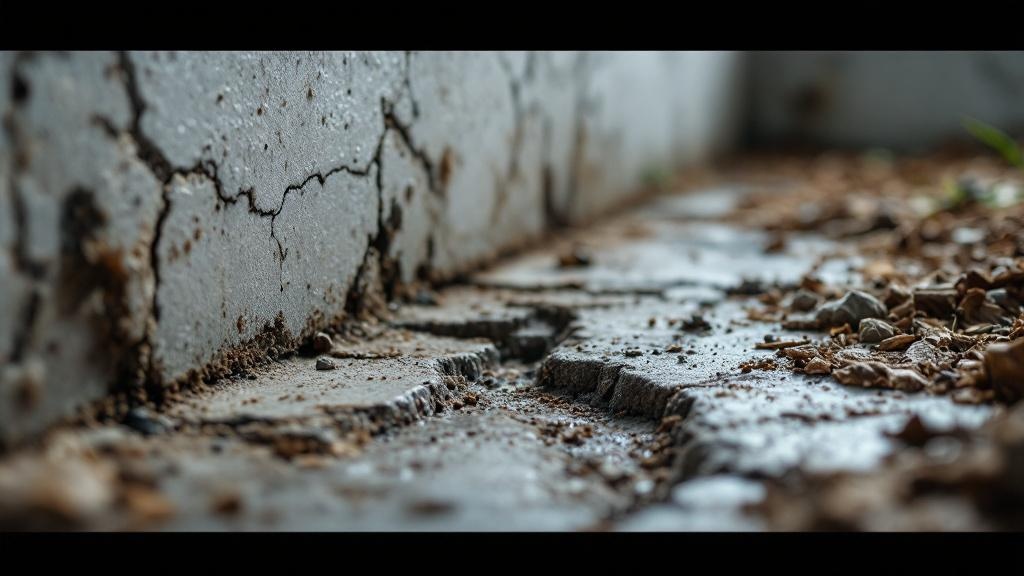
Foundation integrity represents the most critical structural element affecting property value and safety. Cash buyers examine foundation walls for cracks wider than 1/4 inch, signs of settling or shifting, and evidence of water infiltration that could compromise structural stability. Major foundation issues can cost $10,000 to $50,000 to repair, significantly impacting purchase offers.
Settlement patterns provide crucial information about soil conditions and construction quality. Horizontal cracks often indicate lateral pressure from soil expansion, while vertical cracks may suggest normal settling or more serious structural movement. Buyers assess whether damage requires immediate attention or can be monitored over time.
Water damage indicators include efflorescence (white mineral deposits), mold growth, or standing water in basement areas. These conditions suggest ongoing moisture problems that could affect indoor air quality and require waterproofing solutions ranging from $2,000 to $15,000 depending on severity and accessibility.
Roof and Siding Evaluation
Roof assessment focuses on remaining lifespan and immediate repair needs rather than aesthetic appeal. Inspectors examine shingle condition, flashing integrity, and gutter systems protecting the building envelope. Roofs nearing replacement (typically 15-25 years depending on material) factor into offer calculations as major upcoming expenses.
Missing or damaged shingles indicate potential water infiltration points requiring immediate attention. Ice dam damage in northern climates, hail damage, or wind damage from storms creates priorities for cash buyers who must budget for repairs before rental or resale. Typical roof replacement costs range from $8,000 to $25,000 depending on size and material selection.
Siding evaluation identifies structural protection issues rather than cosmetic concerns. Wood rot, insect damage, or gaps allowing air infiltration affect energy efficiency and weather protection. Vinyl or aluminum siding damage may signal impact issues that could indicate other property problems requiring investigation.
Landscape and Drainage Issues
Proper drainage protects foundation integrity and prevents water damage throughout the property. Cash buyers evaluate grading around the foundation, ensuring water flows away from structures rather than pooling against basement walls. Poor drainage can cause foundation undermining, basement flooding, and landscape erosion requiring expensive corrections.
Mature tree positioning affects both property value and maintenance costs. Trees too close to structures create root intrusion risks for foundations and sewer lines, while dead or diseased trees pose liability risks requiring removal. Professional tree removal costs $500 to $3,000 per tree depending on size and accessibility.
Hardscaping elements like retaining walls, driveways, and walkways receive evaluation for structural integrity and safety compliance. Settling or cracking in these elements often indicates soil movement that could affect building foundations, making them important diagnostic indicators during exterior assessment.
Interior Systems Evaluation
Interior systems evaluation focuses on electrical, plumbing, and HVAC functionality and safety rather than aesthetic appeal, prioritizing components that affect habitability, tenant satisfaction, and major replacement costs that impact investment returns significantly.
Major building systems represent the highest-cost replacement items in residential properties, making their condition crucial for accurate investment analysis. Cash buyers prioritize system functionality, remaining lifespan, and safety compliance over appearance or minor maintenance needs. These systems directly affect rental income potential and future capital expenditure requirements.
System age and maintenance history provide indicators of upcoming replacement needs. Well-maintained systems often exceed expected lifespans, while neglected equipment may require premature replacement regardless of age. Documentation of service records helps buyers assess maintenance patterns and predict future reliability.
Energy efficiency considerations increasingly impact property values and operating costs. Buyers evaluate system efficiency ratings and potential utility cost savings from upgrades, particularly in regions with high energy costs or utility rebate programs that offset improvement expenses.
Electrical System Assessment
Electrical system safety takes precedence over capacity or convenience features during cash buyer inspections. Panels older than 30 years, aluminum wiring, or knob-and-tube systems create safety hazards and insurance complications requiring immediate attention. Modern electrical demands often exceed older system capacities, necessitating upgrades for safety and functionality.
| Electrical Issue | Safety Level | Typical Repair Cost | Urgency |
|---|---|---|---|
| Panel Upgrade (100A to 200A) | Medium | $1,500 – $3,500 | Moderate |
| Aluminum Wiring Replacement | High | $8,000 – $15,000 | Immediate |
| GFCI Installation | High | $150 – $300 per outlet | Immediate |
| Knob and Tube Removal | High | $10,000 – $20,000 | Immediate |
Ground Fault Circuit Interrupter (GFCI) protection in bathrooms, kitchens, and outdoor areas represents mandatory safety upgrades in most jurisdictions. Missing GFCI protection creates liability risks and code violations that buyers must address before rental or resale activities.
Plumbing System Review
Water pressure and flow rates throughout the property indicate system capacity and potential restriction points requiring attention. Low pressure suggests pipe corrosion, partial blockages, or undersized supply lines affecting tenant satisfaction and property marketability. Professional pressure testing can identify hidden leaks that increase utility costs and create damage risks.
Pipe material assessment identifies replacement timelines and potential health concerns. Galvanized steel pipes typically require replacement after 40-50 years due to corrosion buildup, while polybutylene pipes from the 1980s create liability issues requiring immediate replacement. Copper piping generally provides 50-70 year lifespans with proper maintenance.
Water heater condition and capacity affect both immediate functionality and energy costs. Units approaching 10-12 year ages typically require replacement planning, while undersized heaters create tenant complaints in rental properties. High-efficiency replacements cost $1,200 to $3,500 installed but provide operating cost savings and tenant satisfaction improvements.
HVAC System Inspection
System age and efficiency ratings determine replacement timelines and operating cost projections for property ownership. HVAC systems older than 15 years often require replacement within 5 years, representing significant capital expenditures that buyers factor into purchase offers. Annual maintenance requirements and filter replacement accessibility affect ongoing operating costs.
Ductwork condition impacts system efficiency and indoor air quality throughout the property. Damaged, disconnected, or poorly insulated ducts reduce system effectiveness by 20-30% while increasing energy costs substantially. Duct sealing and insulation improvements typically cost $1,500 to $4,000 but provide immediate comfort and efficiency benefits.
Thermostat functionality and programmability affect energy management and tenant satisfaction. Modern programmable or smart thermostats provide energy savings of 10-15% annually while improving system control and reliability for property management purposes.
Need Fast Property Assessment?
Our professional team handles properties with any system conditions. Get your cash offer within 24 hours, regardless of electrical, plumbing, or HVAC issues.
Contact First Choice Home Sale: (866) 643-5829
We buy houses as-is – no repairs required!
Safety and Code Compliance Check
Safety inspections identify immediate hazards and code violations that affect insurance coverage and liability exposure, prioritizing life-safety systems like smoke detection, electrical hazards, and structural integrity over minor compliance issues that don’t threaten occupant wellbeing.
Life-safety systems receive highest priority during cash buyer inspections because they affect insurance coverage, liability exposure, and municipal compliance requirements. Properties with safety violations may face occupancy restrictions or insurance coverage limitations impacting rental income potential and resale marketability.
Code compliance varies significantly by jurisdiction and building age, with newer construction held to stricter standards than older properties. Cash buyers understand grandfathering provisions allowing non-conforming conditions to remain until major renovations trigger upgrade requirements.
Professional liability insurance requirements for rental properties mandate specific safety standards that cash buyers must meet before tenant placement. These requirements often exceed minimum code compliance and include enhanced safety systems protecting both occupants and property investors.
Fire Safety Requirements
Smoke detection systems throughout the property provide early warning capabilities that save lives and reduce property damage during fires. Modern code requires interconnected smoke detectors with battery backup systems, particularly in rental properties where tenant safety creates liability exposure for property owners.
Carbon monoxide detection near fuel-burning appliances and sleeping areas prevents deadly gas poisoning from faulty HVAC systems or appliances. CO detectors require regular maintenance and have 5-7 year replacement cycles that property owners must manage consistently.
Fire escape routes and emergency egress from bedrooms, particularly basement or upper-level spaces, ensure occupant safety during emergencies. Proper window sizing, accessibility, and functionality provide alternative exit routes when primary exits become blocked during fire emergencies.
Building Code Violations
Unpermitted additions or modifications create complications for insurance coverage and property transfers that cash buyers must resolve before resale. These violations can result in forced removal of improvements or expensive permit compliance processes significantly impacting property values.
Zoning violations affecting property use or occupancy restrictions limit rental income potential and future development opportunities. Mixed-use violations or excessive occupancy can result in fines and forced compliance affecting investment returns substantially.
Structural modifications without proper engineering or permits create safety hazards and liability exposure requiring professional evaluation and correction. Load-bearing wall modifications or foundation alterations particularly concern cash buyers due to potential collapse risks and correction costs.
Health Hazard Identification
Environmental hazards like mold, asbestos, or lead paint require specialized testing and remediation affecting purchase timelines and costs. Properties built before 1978 presumptively contain lead paint, requiring disclosure and potential abatement during renovation activities.
Environmental Protection Agency guidelines for mold remediation apply to areas larger than 10 square feet, requiring professional assessment and removal procedures that protect occupant health and prevent contamination spread.
Asbestos in older properties typically appears in insulation, flooring, and ceiling materials requiring special handling during renovation or demolition activities. Professional asbestos assessment and removal can cost $15,000 to $30,000 depending on contamination extent and accessibility requirements.
Property Value Impact Factors
Inspection findings directly influence purchase offers through repair cost calculations and market value adjustments, with major system failures carrying higher financial impact than cosmetic issues when determining final property valuations.
Cash buyers utilize systematic approaches to translate inspection findings into purchase price adjustments reflecting actual repair costs and market impact. This process requires understanding both immediate correction costs and long-term maintenance implications affecting property investment returns.
Market conditions influence how inspection issues affect final valuations, with seller’s markets providing less negotiation leverage than buyer’s markets. Cash buyers must balance competitive offer requirements with realistic repair cost projections to ensure profitable investments.
Repair Cost Estimation Methods
Professional contractor relationships provide cash buyers with accurate repair cost estimates based on local labor and material costs. Experienced investors maintain networks of reliable contractors providing consistent pricing for common repair categories, enabling rapid cost assessment during inspection periods.
Cost-per-square-foot calculations help estimate flooring, roofing, and painting expenses using standardized pricing models adjusted for local market conditions. These calculations provide baseline estimates that contractors can refine based on specific property conditions and access requirements.
| Repair Category | Cost Range per Sq Ft | Typical Full House Cost | Timeline |
|---|---|---|---|
| Interior Paint | $2 – $4 | $3,000 – $8,000 | 1-2 weeks |
| Carpet Replacement | $3 – $8 | $4,000 – $12,000 | 1 week |
| Kitchen Update | $75 – $150 | $15,000 – $35,000 | 3-6 weeks |
| Bathroom Renovation | $100 – $200 | $8,000 – $20,000 | 2-4 weeks |
Material cost fluctuations require regular price updates to maintain accurate estimates, particularly for lumber, copper, and steel-intensive repairs. Cash buyers monitor commodity prices and seasonal variations affecting contractor availability and material costs significantly.
Market Value Adjustments
Comparable property analysis with condition adjustments helps determine appropriate repair cost deductions from market value estimates. Properties in similar condition provide baseline values, while superior condition comparables indicate potential value uplift from improvements.
According to Appraisal Institute research, deferred maintenance typically reduces property values by 15-20% below comparable well-maintained properties in the same neighborhood.
Time-on-market considerations affect negotiation leverage, with properties requiring quick sales providing more adjustment opportunities than properties with flexible timelines. Cash buyers adjust their offers based on seller motivation and market competition levels.
Rental income impact from condition issues helps determine repair priorities for investment properties. Cosmetic improvements may increase rental rates by $100-200 monthly, while functional improvements like HVAC or plumbing provide tenant retention benefits reducing vacancy costs substantially.
Documentation and Photography
Comprehensive documentation with photographs and detailed condition notes provides legal protection and accurate record-keeping for both buyers and sellers, ensuring transparent transactions and supporting future insurance or warranty claims effectively.
Systematic documentation protects all parties by creating objective condition records preventing disputes and supporting insurance claims or future sale transactions. Professional documentation standards ensure consistent coverage and admissible evidence for legal proceedings if necessary.
Digital documentation systems enable immediate sharing and storage of inspection results, facilitating rapid decision-making and offer adjustments. Cloud-based systems provide secure access for multiple stakeholders while maintaining permanent records for tax and legal purposes.
Evidence Collection Process
Photograph angles and lighting standards ensure clear documentation of condition issues that might otherwise create interpretation disputes. Close-up shots of damage combined with wide-angle context photos provide complete evidence packages supporting repair cost estimates and negotiation positions.
Time-stamped documentation creates chronological records establishing condition deterioration patterns and maintenance timelines. GPS-enabled photography provides location verification supporting insurance claims and property management records requiring precise documentation.
Systematic room-by-room coverage ensures comprehensive documentation without overlooking critical areas that could affect property values or safety compliance. Standardized checklists prevent documentation gaps that might create liability exposure or negotiation complications later.
Condition Report Creation
Priority ranking systems help buyers and sellers understand which issues require immediate attention versus items addressed over time. Emergency repairs, safety hazards, and major system failures receive highest priority rankings with immediate action timelines.
Cost estimate inclusion in condition reports provides transparent communication about financial impact of identified issues. Professional estimates help sellers understand price adjustment rationales while helping buyers document their investment analysis for tax and financing purposes.
Report completion timelines affect transaction momentum, with same-day or next-day delivery maintaining deal momentum while extended report periods can create anxiety and second-guessing that derails transactions. Professional reporting systems emphasize speed without sacrificing accuracy or completeness.
Preparing Your Home for Cash Buyer Inspection
Effective preparation focuses on providing clear access to major systems and being transparent about known issues rather than attempting cosmetic improvements, enabling faster inspections and building buyer confidence through honest disclosure practices.
Strategic preparation balances presentation with transparency, recognizing cash buyers appreciate honest disclosure over cosmetic covering of underlying problems. Proper preparation facilitates efficient inspections while demonstrating seller cooperation that often translates to smoother negotiations and faster closings.
Access preparation significantly impacts inspection timing and thoroughness, with well-prepared properties enabling complete evaluation in shorter timeframes. Poor preparation can extend inspection periods and create scheduling complications delaying closing timelines unnecessarily.
What to Clean vs Leave As-Is
Cleaning for access rather than appearance helps inspectors complete thorough evaluations without wasting time on aesthetic concerns. Clean pathways to mechanical systems, clear electrical panels, and accessible plumbing fixtures enable faster, more complete inspections than superficial cosmetic cleaning.
Transparency benefits sellers by building buyer confidence and preventing post-inspection surprises that could derail transactions. Known problems disclosed upfront allow buyers to make informed offers while hidden problems discovered during inspection often create negotiation conflicts and trust issues.
Strategic cleaning focuses on safety and accessibility rather than cosmetic appeal. Clean, well-lit inspection areas help inspectors work efficiently while demonstrating property maintenance awareness suggesting responsible ownership patterns throughout the property.
Access Preparation Tips
Utility system accessibility requires clearing paths to electrical panels, water heaters, HVAC equipment, and main shut-off valves that inspectors must examine during system evaluation. Blocked access creates delays and may prevent complete system assessment buyers require.
Key location identification for items like electrical panels, water shut-offs, and HVAC controls helps inspectors work efficiently without extended searching periods. Simple labeling or instruction sheets can significantly reduce inspection time while demonstrating seller cooperation.
Obstacle removal from attics, basements, and mechanical rooms enables thorough inspection of structural elements and building systems affecting property values significantly. Stored items should be temporarily relocated to provide clear access to inspection areas buyers must evaluate.
Red Flags That Don’t Stop Cash Sales
Many common homeowner concerns like outdated fixtures, cosmetic wear, and minor mechanical issues don’t prevent cash sales, as experienced buyers focus on structural integrity and major systems rather than aesthetic perfection or minor maintenance needs.
Cash buyers differentiate between deal-breaking problems and manageable issues simply requiring price adjustments or post-purchase attention. This understanding provides seller confidence about properties with common wear patterns or deferred cosmetic maintenance that might concern traditional buyers.
Investment perspective allows cash buyers to view properties through renovation potential rather than move-in readiness, creating opportunities for sellers whose properties need work but remain structurally sound and functionally adequate for improvement projects.
Professional renovation capabilities enable cash buyers to address cosmetic and minor functional issues efficiently through established contractor networks and bulk purchasing arrangements reducing improvement costs below retail homeowner expenses.
Cosmetic Issues
Paint conditions throughout the property rarely affect cash buyer decisions unless they indicate underlying moisture or structural problems requiring investigation. Outdated colors, minor wall damage, or standard wear patterns represent predictable improvement costs buyers incorporate into renovation budgets.
Flooring wear, staining, or outdated materials create adjustment opportunities rather than deal-breakers for cash buyers planning improvements. Carpet replacement, refinishing hardwood, or installing new flooring represents standard renovation activities with predictable costs and timelines.
Fixture dates and cabinet conditions affect property modernization costs but don’t typically prevent sales to cash buyers anticipating updating these elements. Kitchen and bathroom improvements provide value-add opportunities justifying purchase price adjustments rather than transaction cancellation.
Minor Mechanical Problems
Plumbing leaks, running toilets, and similar minor mechanical issues represent maintenance items rather than major system failures requiring extensive repairs. These problems typically cost $100-500 to correct and don’t affect property habitability or safety significantly.
Electrical outlets, switch problems, or minor wiring issues not creating safety hazards usually require simple corrections professional contractors can address during general renovation activities. These items rarely justify significant price reductions or transaction delays.
Door and window operation problems, squeaking hinges, or minor hardware issues represent standard maintenance activities not affecting structural integrity or security. Professional handyman services can address multiple minor issues simultaneously during property improvement projects.
Outdated Features
Appliance age and condition affect property functionality but don’t prevent cash sales when buyers plan updates or rental property management. Older appliances that function properly may provide several years of service before replacement becomes necessary.
HVAC, electrical, or plumbing systems that function adequately despite age provide continued service while buyers plan systematic upgrades over time. Functional older systems often serve immediate needs while buyers prioritize improvement projects based on tenant requirements or personal preferences.
Dated décor, wallpaper, or interior design elements provide personalization opportunities for buyers rather than obstacles to purchase completion. These cosmetic elements typically require minimal expense to update and often improve property marketability substantially with modest investment.
Frequently Asked Questions
Do cash buyers still inspect houses?
Yes, cash buyers always conduct property inspections to assess repair costs and safety issues, but their inspections focus on major systems and structural elements rather than detailed analysis of minor problems. The process typically takes 24-48 hours compared to traditional buyer inspections that require 1-2 weeks.
What do cash home buyers look for during property inspections?
Cash buyers prioritize structural integrity, major system functionality (electrical, plumbing, HVAC), safety compliance, and significant repair cost factors. They focus less on cosmetic issues and more on items that affect property value, habitability, and future investment returns.
How long does a cash buyer property inspection take?
Professional cash buyer inspections typically complete within 2-4 hours on-site, with reports delivered within 24-48 hours. This streamlined process enables rapid decision-making and offer adjustments compared to traditional inspections that often require 10-14 days from scheduling to completion.
What property problems will cash buyers not purchase?
Cash buyers typically avoid properties with severe foundation failure, major structural damage, extensive fire damage, or significant environmental hazards like asbestos contamination. However, most other issues including cosmetic problems, outdated systems, and minor repairs don’t prevent cash sales.
Should I fix problems before cash buyer inspection?
No, avoid making repairs before cash buyer inspections since these buyers expect to handle improvements themselves and factor repair costs into their offers. Focus instead on ensuring clear access to systems and being transparent about known issues to facilitate efficient evaluation.
How do inspection findings affect cash offers?
Cash buyers adjust their offers based on repair cost estimates from inspection findings, typically reducing offers by 110-120% of estimated repair costs to account for contractor markup and project management time. Minor cosmetic issues have less impact than major system problems or safety hazards.
Ready for Your Professional Property Assessment?
Get a comprehensive evaluation and fair cash offer regardless of your property’s condition. Our experienced team handles properties with any inspection findings – from cosmetic issues to major repairs.
Call First Choice Home Sale today: (866) 643-5829
Fast, professional service throughout Orange County. No repairs, no fees, no hassles!
Understanding what cash buyers evaluate during property inspections helps homeowners prepare effectively and set realistic expectations for their home sale. The streamlined process focuses on essential systems and structural elements while overlooking many concerns that worry traditional buyers. Whether your property needs minor updates or major repairs, experienced cash buyers like First Choice Home Sale provide professional assessments and fair offers reflecting actual market conditions and repair requirements.