
Understanding the foreclosure timeline California homeowners face is critical when facing financial hardship. The California foreclosure process follows specific legal requirements that give homeowners rights and opportunities to avoid losing their homes. Whether dealing with non-judicial or judicial foreclosure, knowing the exact timeline helps homeowners make informed decisions about their options, including cash sales that can stop the foreclosure process entirely.
Stop Your California Foreclosure Today
Don’t wait until it’s too late. First Choice Home Sale can close in as little as 7 days and stop your foreclosure process immediately. Get a fair cash offer and avoid the stress of foreclosure.
Call now: (866) 643-5829
Key Takeaways
- California non-judicial foreclosure takes minimum 117 days from first missed payment to trustee sale
- 95% of California foreclosures are non-judicial, using deed of trust instead of traditional mortgage
- Homeowners have right to reinstate loan up to 5 business days before trustee sale
- Cash sales can stop foreclosure process at any stage before final sale completion
- California Homeowner Bill of Rights provides additional protections against dual tracking
- Judicial foreclosure takes 6-12 months but offers more homeowner redemption rights
California Foreclosure Laws Overview
California foreclosure laws primarily use non-judicial foreclosure through deed of trust agreements, with specific timelines, homeowner protections, and consumer rights established under Civil Code sections 2924-2924k. The process includes mandatory notice periods and cure opportunities.
California operates under a deed of trust system that allows lenders to foreclose without court involvement in most cases. According to the California Courts Self-Help Center, approximately 95% of foreclosures follow the non-judicial process. This system provides faster resolution for lenders while maintaining essential homeowner protections.
California’s foreclosure laws are governed primarily by Civil Code sections 2924-2924k, which establish specific procedural requirements. These laws underwent significant revisions following the 2008 housing crisis, resulting in enhanced consumer protections known as the California Homeowner Bill of Rights.
According to RealtyTrac data, California processed over 28,000 foreclosure filings in 2023, representing a 15% decrease from the previous year, with the average foreclosure timeline extending 157 days from initial default to completion.
Key regulatory bodies overseeing California foreclosure procedures include the Department of Financial Protection and Innovation (DFPI) and California Bureau of Real Estate. These agencies enforce compliance with state foreclosure laws and investigate consumer complaints regarding improper practices.
The foreclosure timeline California residents experience depends heavily on the type of security instrument securing their loan. Most residential properties use deeds of trust, which enable non-judicial foreclosure, while traditional mortgages require judicial foreclosure through the court system.

Judicial vs Non-Judicial Foreclosure
Non-judicial foreclosure dominates California’s foreclosure landscape due to its efficiency and lower costs for lenders. This process requires no court involvement, relying instead on the trustee named in the deed of trust to conduct the sale. The trustee must follow precise statutory requirements regarding notices, timing, and sale procedures.
Judicial foreclosure becomes necessary when the security instrument is a traditional mortgage rather than a deed of trust, or when the lender seeks deficiency judgment. This process involves filing a lawsuit, obtaining court approval, and conducting a sheriff’s sale.
| Process Type | Timeline | Court Required | Redemption Rights | Deficiency Judgment |
|---|---|---|---|---|
| Non-Judicial | 117-180 days | No | Limited | Generally prohibited |
| Judicial | 6-12 months | Yes | 6-12 months | Available |
The cost differential significantly impacts lender decisions. Non-judicial foreclosure typically costs $3,000-$5,000, while judicial foreclosure can exceed $15,000 in attorney fees and court costs.
Deed of Trust vs Mortgage Differences
California’s deed of trust system creates a three-party arrangement involving the borrower (trustor), lender (beneficiary), and neutral trustee. This structure allows the trustee to initiate foreclosure without court approval when the borrower defaults.
Traditional mortgages create a two-party relationship between borrower and lender, requiring judicial involvement to foreclose. The lender must prove the default in court and obtain permission to sell the property, extending the timeline considerably.
The trustee in a deed of trust holds legal title until the loan is satisfied, while mortgage lenders hold only a lien interest. This distinction enables faster foreclosure procedures and reduces title transfer complexity.
Homeowner Protection Laws
The California Homeowner Bill of Rights, enacted in 2012 and expanded subsequently, provides crucial protections for homeowners facing foreclosure. These protections include prohibition of dual tracking, where servicers cannot simultaneously pursue foreclosure while considering loan modifications.
Additional protections require servicers to provide a single point of contact for distressed homeowners and establish specific timelines for reviewing loss mitigation applications. Servicers must also provide detailed denial letters explaining why modifications were rejected.
The legislation established enhanced penalties for robo-signing and document irregularities, requiring servicers to verify foreclosure document accuracy. Violations can result in monetary damages to homeowners and potential delays in foreclosure proceedings.
Non-Judicial Foreclosure Timeline
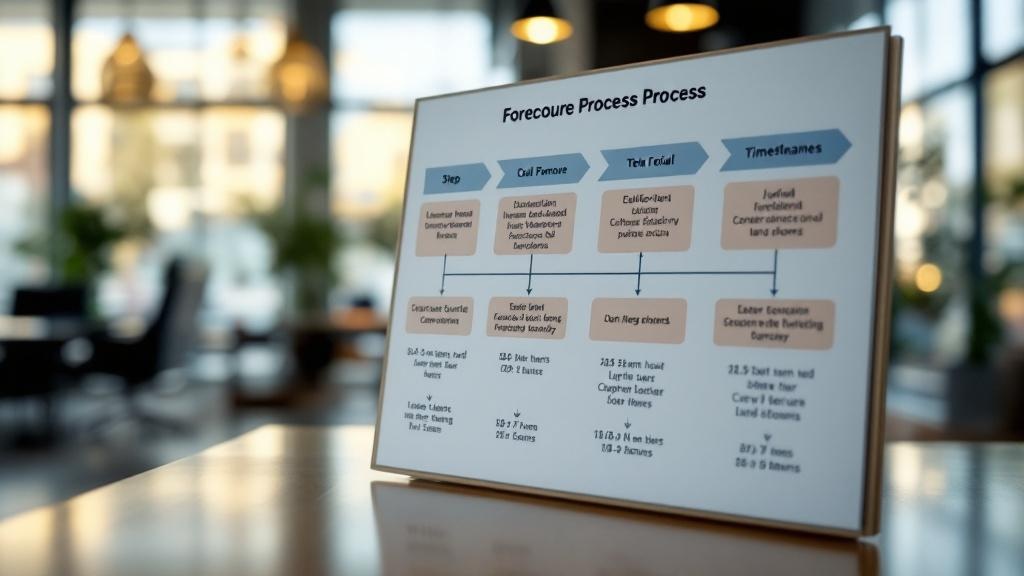
The California non-judicial foreclosure timeline requires minimum 117 days from first delinquency to trustee sale, beginning with 30-day pre-notice requirements, followed by Notice of Default with 90-day cure period, then Notice of Trustee Sale with 21-day minimum notice.
The non-judicial foreclosure timeline follows a rigid statutory framework designed to balance lender recovery rights with homeowner protection. Understanding each phase helps homeowners recognize their options and deadlines for corrective action.
California Civil Code 2924 establishes foundational timeline requirements, while subsequent code sections detail specific notice and procedural requirements. The process cannot be accelerated beyond minimum statutory periods, regardless of default severity.
| Phase | Timeline | Key Requirements | Homeowner Rights |
|---|---|---|---|
| Pre-Default Contact | 30 days delinquent | Initial contact attempt | Workout opportunity |
| Notice of Default | Day 31-90 | Recording and mailing | 90-day cure period |
| Notice of Sale | Day 91-112 | 21-day minimum notice | Reinstatement rights |
| Trustee Sale | Day 117+ | Public auction | Final opportunity |
The minimum 117-day timeline assumes no delays or extensions. In practice, most foreclosures take 150-180 days due to servicer processing times, document preparation, and borrower workout negotiations.

Notice of Default (NOD) Requirements
The Notice of Default represents the formal beginning of foreclosure proceedings and cannot be filed until the borrower is at least 30 days delinquent. The NOD must contain specific information including the nature of default, amount needed to cure, and contact information for the beneficiary or authorized agent.
Recording the NOD in the county where the property is located provides public notice of the foreclosure action. The recorded document becomes part of the property’s title history and appears in title searches, affecting the property’s marketability.
The trustee must mail copies of the NOD to all parties with recorded interests in the property, including junior lienholders, HOA associations, and tax authorities. This notice requirement protects junior interest holders’ rights and enables them to cure the default.
90-Day Cure Period
Following NOD recording, homeowners receive a 90-day period to cure the default by paying all past due amounts plus associated fees and costs. This cure period cannot be shortened, even if loan documents contain acceleration clauses.
The cure amount includes unpaid principal and interest, late fees, property preservation costs, and trustee fees incurred through the cure date. Servicers must provide accurate payoff statements within seven days of request during this period.
Partial payments during the cure period do not automatically stop the foreclosure process unless the servicer agrees to accept them as full cure. Homeowners should obtain written confirmation that any payments will completely cure the default.
Notice of Trustee Sale (NOTS)
The Notice of Trustee Sale cannot be recorded until at least 90 days after NOD recording, initiating the final phase of the foreclosure timeline. The NOTS must specify the exact date, time, and location of the trustee sale, which cannot occur sooner than 21 days after recording.
Publication requirements mandate that the NOTS appear in a newspaper of general circulation in the county where the property is located for three consecutive weeks. The first publication must occur at least 21 days before the sale date.
Physical posting of the notice on the property at least 21 days before sale provides additional public notice. The posted notice must be in a conspicuous location and remain posted until the sale occurs or is postponed.
Trustee Sale Process
Trustee sales occur as public auctions, typically held at courthouse steps or designated public locations between 9 AM and 5 PM on business days. The trustee conducts the sale and accepts bids from qualified purchasers who can provide immediate payment in cash or cashier’s check.
The opening bid typically equals the total debt amount plus foreclosure costs, though trustees may set different opening bid amounts. If no qualifying bids meet the opening bid, the beneficiary typically takes title through credit bidding.
Successful bidders must provide full payment immediately, with cashier’s checks being the preferred payment method. The trustee issues a trustee’s deed to the successful bidder, transferring clear title free of junior liens and encumbrances.
Avoid Foreclosure Stress – Get Cash Offer Today
Why go through months of foreclosure uncertainty? First Choice Home Sale provides fast cash offers that can close before your trustee sale date. We handle all paperwork and pay all closing costs.
Free consultation: (866) 643-5829
Judicial Foreclosure Process
California judicial foreclosure requires court proceedings lasting 6-12 months, involving lawsuit filing, defendant response periods, judgment entry, and sheriff’s sale. This process applies when security instruments are traditional mortgages or lenders seek deficiency judgments.
Judicial foreclosure begins when the lender files a lawsuit against the borrower in superior court, seeking permission to foreclose on the property. The complaint must establish the lender’s right to foreclose, document the default, and specify the debt amount owed.
This process offers more extensive homeowner protections compared to non-judicial foreclosure, including longer redemption periods and opportunities to raise defenses in court. However, the extended timeline and costs make judicial foreclosure less attractive to lenders in most circumstances.
The court must review and approve all aspects of the foreclosure, from the initial complaint through final sale procedures. This judicial oversight provides additional safeguards against improper foreclosure practices but significantly extends the timeline.
Court Filing Requirements
The foreclosure lawsuit must comply with all civil procedure requirements, including proper complaint formatting, accurate defendant identification, and complete service of process. The complaint must attach copies of the promissory note, mortgage, and any assignments demonstrating the plaintiff’s standing to sue.
Filing fees for foreclosure lawsuits in California superior court range from $435-$450, depending on the county. Additional costs include service of process fees, publication costs for unknown defendants, and potential attorney fees throughout the proceedings.
Service of process must comply with Code of Civil Procedure requirements, typically involving personal service or substituted service on defendants. Unknown parties claiming interests in the property must be served through publication in newspapers of general circulation.
Defendant Response Period
Defendants have 30 days from service to file responsive pleadings, including answers, demurrers, or motions to strike. Failure to respond within this timeframe results in default judgment, allowing the foreclosure to proceed without further defendant participation.
Common defenses in foreclosure actions include challenges to the plaintiff’s standing, improper notice allegations, payment disputes, and violations of federal or state lending laws. Successful defenses can delay or prevent foreclosure completion.
The response period provides homeowners opportunities to negotiate workout arrangements while the lawsuit remains pending. Many cases settle during this phase through loan modifications or other loss mitigation agreements.
Judgment and Sale Order
Following resolution of any contested issues, the court enters judgment determining the debt amount and authorizing property sale. The judgment establishes the minimum bid amount for the sheriff’s sale and specifies redemption rights available to defendants.
The court’s sale order directs the sheriff to conduct a public auction following specific notice and publication requirements. Sheriff’s sales typically occur 30-45 days after the sale order, allowing time for proper notice and marketing.
Sale proceeds are distributed according to lien priority, with the foreclosing lender receiving payment first, followed by junior lienholders in order of recording priority. Any surplus funds are returned to the former property owner after all liens and costs are satisfied.
California Homeowner Rights
California homeowners facing foreclosure have specific statutory rights including loan reinstatement up to 5 business days before sale, limited redemption rights in non-judicial foreclosure, and extensive protections under the Homeowner Bill of Rights against improper practices.
California law provides homeowners with multiple opportunities to prevent foreclosure completion, even after proceedings have begun. These rights balance lender interests with homeowner protection, ensuring fair treatment throughout the foreclosure process.
Understanding these rights enables homeowners to make informed decisions about whether to pursue workout options, sell the property, or exercise statutory redemption rights. Early action typically provides more options and better outcomes for distressed homeowners.
The California Homeowner Bill of Rights strengthened existing protections and created new rights that servicers must respect throughout the foreclosure process. Violations of these rights can provide grounds for damages or foreclosure delays.

Right of Reinstatement
Homeowners can reinstate defaulted loans by paying all past due amounts plus foreclosure costs up to five business days before the scheduled trustee sale. This right continues throughout the foreclosure process, regardless of loan acceleration clauses.
The reinstatement amount includes unpaid principal and interest, late charges, property preservation costs, trustee fees, and attorney costs incurred in the foreclosure process. Servicers must provide accurate reinstatement quotes within seven days of homeowner requests.
Successful reinstatement restores the loan to current status and cancels the pending foreclosure sale. The borrower resumes making regular monthly payments according to the original loan terms, with no modification to the underlying agreement.
Exercise of reinstatement rights requires payment in certified funds by the specified deadline. Personal checks or electronic transfers are typically not acceptable for reinstatement payments due to timing requirements.
Right of Redemption
California non-judicial foreclosure provides no post-sale redemption rights to homeowners, meaning the trustee sale permanently transfers ownership to the successful bidder. This limitation distinguishes California from states offering extended redemption periods after foreclosure completion.
Judicial foreclosure offers more extensive redemption rights, typically allowing homeowners six months to one year after sheriff’s sale to redeem the property by paying the full sale price plus interest and costs.
The redemption amount in judicial foreclosure includes the purchase price paid at sheriff’s sale, plus interest at the legal rate, taxes, insurance, and necessary repairs made by the purchaser. These amounts can significantly exceed the original debt amount.
Redemption rights are valuable but expensive to exercise, particularly when property values have declined below the debt amount. Most homeowners cannot afford redemption payments, making prevention strategies more practical.
Bankruptcy Protection Options
Filing bankruptcy provides automatic stay protection that immediately halts foreclosure proceedings, regardless of how advanced the process has become. Both Chapter 7 and Chapter 13 bankruptcy provide this protection, though with different long-term outcomes.
Chapter 13 bankruptcy allows homeowners to cure mortgage defaults over 3-5 years through payment plans, potentially saving homes from foreclosure. The plan must include regular monthly payments plus additional amounts to cure the arrearage.
Chapter 7 bankruptcy delays foreclosure but typically does not provide long-term solutions for homeowners who cannot afford ongoing mortgage payments. The automatic stay provides time to explore alternatives like foreclosure prevention options including cash sales.
Timing of bankruptcy filing is crucial, as courts may dismiss cases filed solely to delay foreclosure without addressing underlying financial problems. Consultation with qualified bankruptcy attorneys is essential before pursuing this option.
Foreclosure Prevention Strategies
Foreclosure prevention strategies include loan modifications, forbearance agreements, short sales, cash sales, and deed in lieu arrangements. Success depends on timing, homeowner finances, property equity, and lender cooperation, with cash sales offering fastest resolution.
Effective foreclosure prevention requires early action and realistic assessment of homeowner financial capabilities. The sooner homeowners address mortgage problems, the more options remain available to avoid foreclosure completion.
Each prevention strategy has distinct advantages, disadvantages, and qualification requirements. Understanding these differences helps homeowners choose the most appropriate approach based on their specific circumstances and timeline constraints.
Lender cooperation varies significantly based on investor requirements, servicer policies, and government program availability. Some strategies require extensive documentation and qualification periods that may extend beyond foreclosure timelines.
| Strategy | Timeline | Credit Impact | Qualification Requirements | Success Rate |
|---|---|---|---|---|
| Loan Modification | 60-120 days | Moderate | Financial hardship documentation | 45-55% |
| Short Sale | 90-180 days | Significant | Market listing and buyer | 65-75% |
| Cash Sale | 7-21 days | Minimal | Property condition acceptable | 95%+ |
| Deed in Lieu | 30-90 days | Significant | No junior liens | 25-35% |
Loan Modification Options
Loan modifications permanently alter loan terms to make payments more affordable, typically through interest rate reduction, term extension, or principal forgiveness. Federal programs like HAMP established standards that many servicers continue following.
The modification process requires extensive financial documentation including tax returns, pay stubs, bank statements, and hardship letters explaining the circumstances causing payment difficulties. Servicers evaluate applications using investor guidelines and government program requirements.
Trial modification periods typically last 3-6 months, during which homeowners make modified payments to demonstrate ability to perform under new terms. Successful completion of trial periods leads to permanent modification agreements.
Modification success rates vary significantly based on investor type, with government-sponsored enterprises typically offering more flexible modification terms than private investors. Homeowners should prepare for extensive documentation requirements and potential multiple modification attempts.
Short Sale vs Cash Sale
Short sales require lender approval to accept less than the full debt amount, involving extensive documentation and approval processes that often take 90-180 days. Real estate agents must market the property and obtain qualified purchase offers before lenders will consider approval.
Cash sales to investors like First Choice Home Sale bypass traditional financing delays and provide guaranteed closings in 7-21 days. These sales can occur at any stage of foreclosure proceedings and provide immediate relief from mortgage obligations.
The credit impact differs significantly between these approaches. Short sales typically report as “settled for less than amount owed” while cash sales may report as normal property sales if completed before foreclosure begins.
Deficiency judgment risks also vary, with short sales potentially exposing homeowners to deficiency liability while cash sales that satisfy the full debt amount eliminate deficiency risks entirely.
Deed in Lieu Alternatives
Deed in lieu arrangements involve voluntarily transferring property ownership to the lender in exchange for release from mortgage obligations. This option requires lender cooperation and absence of junior liens that would complicate title transfer.
Lenders typically require unsuccessful marketing attempts before considering deed in lieu proposals. The property must also meet lender criteria for condition and marketability, as lenders prefer not to accept problem properties.
The credit impact of deed in lieu arrangements is significant but typically less severe than completed foreclosure. However, many lenders are reluctant to accept deed in lieu arrangements due to liability concerns and investor restrictions.
Processing time for deed in lieu applications ranges from 30-90 days, depending on lender requirements and title complications. This timeline may exceed foreclosure deadlines, making cash sales more practical for homeowners facing immediate foreclosure threats.
How Cash Sales Stop Foreclosure
Cash sales stop California foreclosure by providing immediate funds to satisfy mortgage debt before trustee sale completion. Professional cash buyers can close within 7-14 days, paying off liens and stopping foreclosure proceedings at any stage of the timeline.
Cash sales represent the fastest and most reliable method to stop foreclosure proceedings in California. Unlike traditional sales requiring financing approval, inspections, and appraisals, cash transactions can close immediately upon acceptance of purchase offers.
Professional cash buyers like First Choice Home Sale specialize in foreclosure situations and understand the urgent timelines involved. They can evaluate properties quickly, make fair offers, and coordinate with lenders to ensure proper debt satisfaction.
The key advantage of cash sales is certainty of closing. Traditional buyers may withdraw due to financing problems, inspection issues, or market conditions, while cash buyers provide guaranteed transactions that stop foreclosure proceedings permanently.
According to industry data, cash sales to prevent foreclosure have a 95% success rate when initiated at least 30 days before scheduled trustee sale, compared to 65% success rates for short sales and 45% success rates for loan modifications.
Timeline Advantages
Cash sales can typically close within 7-14 days from offer acceptance, compared to 30-60 days for financed transactions. This speed advantage is crucial when facing foreclosure deadlines, particularly during the final weeks before trustee sales.
The elimination of financing contingencies removes the most common cause of transaction delays and failures. Cash buyers have verified funds and don’t require loan approval, appraisals, or lender conditions that can extend closing timelines.
Title companies can expedite cash transactions because they don’t need to satisfy lender requirements for title insurance, surveys, or extensive document review. The simplified closing process reduces administrative delays and processing time.
Professional cash buyers maintain relationships with title companies, escrow services, and attorneys who prioritize foreclosure prevention transactions. These relationships enable faster processing and problem resolution when time constraints are critical.
Debt Satisfaction Process
Cash sale proceeds are distributed through escrow to satisfy mortgage debt and other liens according to legal priority. The escrow company coordinates payoffs with all lienholders to ensure clear title transfer to the cash buyer.
Lenders typically require 10-15 days notice to prepare accurate payoff statements including per-diem interest calculations. Cash buyers coordinate these requirements to ensure sufficient funds are available at closing for complete debt satisfaction.
Once mortgage debt is satisfied through the cash sale, foreclosure proceedings automatically terminate because the underlying default no longer exists. The trustee cancels scheduled sales and records satisfaction of the deed of trust.
Surplus proceeds after debt satisfaction are returned to the homeowner through escrow. Even small surplus amounts represent better outcomes than foreclosure completion, which typically provides no recovery to homeowners.
Credit Impact Minimization
Selling before foreclosure completion prevents the most severe credit damage associated with completed foreclosures. Foreclosure completion can reduce credit scores by 100-150 points and remain on credit reports for seven years.
Cash sales completed before foreclosure begins may report as normal property sales with minimal credit impact. Even sales completed during foreclosure proceedings typically report less negatively than completed foreclosures.
The timing of credit reporting depends on when mortgage payments ceased and when the sale completed. Sales completed within 60-90 days of payment cessation typically minimize long-term credit consequences.
Homeowners can begin credit recovery immediately after cash sales, compared to waiting 2-3 years after foreclosure completion to qualify for new mortgage financing. This advantage significantly impacts future homeownership opportunities.
Working with Lenders During Crisis
Effective lender communication during foreclosure crisis requires prompt contact, complete documentation, persistent follow-up, and realistic expectations. Servicers must provide single points of contact and consider all workout options before proceeding with foreclosure under California law.
Successful lender negotiation requires understanding servicer motivations, investor requirements, and available loss mitigation programs. Servicers prefer solutions that minimize losses while complying with investor guidelines and regulatory requirements.
Early communication provides the best opportunity for successful workout arrangements. Waiting until foreclosure begins limits available options and creates time pressure that favors lender interests over homeowner needs.
The California Homeowner Bill of Rights requires servicers to provide meaningful access to decision-makers and consider all available alternatives before foreclosure. Understanding these requirements helps homeowners navigate the process more effectively.
Communication Best Practices
Contact lenders immediately when payment problems begin, before missing payments if possible. Early communication demonstrates good faith and may prevent negative credit reporting while workout options are explored.
Document all communications with servicers including dates, representative names, reference numbers, and discussion summaries. This documentation becomes crucial if disputes arise regarding promised arrangements or program eligibility.
Request written confirmation of all agreements, payment arrangements, and program applications. Verbal agreements are difficult to enforce and may not prevent foreclosure proceedings from continuing during workout negotiations.
Maintain regular contact throughout workout processes, as servicer personnel changes frequently and files may require updates. Consistent follow-up prevents applications from being abandoned due to administrative problems.
Loss Mitigation Options
Servicers must evaluate homeowners for all available loss mitigation options including modifications, forbearance agreements, repayment plans, and alternatives to foreclosure. The evaluation process follows specific timelines and documentation requirements.
Forbearance agreements provide temporary payment relief while homeowners address short-term financial problems. These agreements typically last 3-6 months and require plans for resuming regular payments plus catching up missed amounts.
Repayment plans spread past due amounts over future monthly payments, typically adding $200-500 to regular payment amounts until arrearages are satisfied. These plans work best when payment problems were temporary and income has stabilized.
Principal reduction modifications eliminate portions of the loan balance to achieve affordable payment levels. These modifications are rare and typically require demonstrated long-term hardship with stable but reduced income levels.
Frequently Asked Questions
How long is the foreclosure process in California?
California non-judicial foreclosure takes a minimum of 117 days from first delinquency to trustee sale. Most foreclosures take 150-180 days due to processing time and workout negotiations. Judicial foreclosure takes 6-12 months.
Can I stop foreclosure after the Notice of Sale is filed?
Yes, you can stop foreclosure by reinstating the loan up to 5 business days before the trustee sale by paying all past due amounts plus costs. Cash sales can also stop foreclosure at any time before the sale completes.
What are my rights during California foreclosure?
You have the right to reinstate your loan, receive proper notices, obtain accurate payoff information, and apply for loss mitigation. The Homeowner Bill of Rights prohibits dual tracking and requires single point of contact.
How much does it cost to reinstate my loan during foreclosure?
Reinstatement costs include all missed payments, late fees, property preservation costs, trustee fees, and attorney costs. The total typically ranges from $5,000 to $15,000 depending on how long payments have been missed.
Can I sell my house to stop foreclosure?
Yes, selling your house can stop foreclosure if the sale proceeds satisfy the mortgage debt. Cash sales are most effective because they close quickly and provide guaranteed transactions.
What happens if I don’t respond to foreclosure notices?
Ignoring foreclosure notices doesn’t stop the process. The foreclosure will proceed on schedule and you’ll lose opportunities to negotiate workout arrangements or exercise your legal rights to reinstate the loan.
Don’t Lose Your Home to Foreclosure
Stop the foreclosure process today with a guaranteed cash offer from First Choice Home Sale. We buy houses in any condition and can close in as little as 7 days. No fees, no commissions, no repairs needed.
Get your free cash offer now: (866) 643-5829
First Choice Home Sale – Your foreclosure prevention specialists in Southern California
Understanding the foreclosure timeline California homeowners face provides the knowledge needed to make informed decisions about protecting your most valuable asset. Whether you have 117 days or just weeks before a trustee sale, options exist to stop the foreclosure process and preserve your financial future. Cash sales offer the fastest, most reliable solution to avoid foreclosure and move forward with confidence.