Need Help with Your Fire Damaged Property?
First Choice Home Sale specializes in purchasing fire-damaged homes throughout California. We work directly with insurance settlements to provide fast, fair cash offers. Call (866) 643-5829 for a free consultation and learn your options today.
Key Takeaways
- House fire insurance claims typically take 30-180 days depending on damage severity and documentation completeness
- California requires insurers to provide replacement cost coverage for dwelling policies over $100,000
- Public adjusters can increase settlements by 15-25% but charge 10-15% of the final payout
- Selling fire-damaged property as-is eliminates reconstruction delays and provides immediate liquidity
- Proper damage documentation within 72 hours significantly impacts claim settlement amounts
- Additional Living Expenses coverage provides temporary housing funds during claim processing
Introduction to Fire Insurance Claims
House fire insurance claims involve documenting property damage, working with adjusters, and negotiating settlements to restore or replace fire-damaged homes through your homeowner’s insurance policy.
House fire insurance claims represent one of the most significant financial recoveries homeowners will navigate. The process begins immediately after fire suppression and extends through final settlement, typically spanning 30 to 180 days.
According to the Insurance Information Institute, fire damage accounts for 23% of homeowner insurance claims, with average payouts exceeding $76,000 per incident.
Fire insurance settlements address three primary areas: structural damage, personal property loss, and additional living expenses. Each category requires specific documentation and follows distinct valuation methods that significantly impact your final payout.
California homeowners benefit from state regulations requiring replacement cost coverage for dwelling policies exceeding $100,000. This protection ensures adequate funds for complete reconstruction rather than depreciated value settlements.
The claim process involves multiple stakeholders including insurance companies, adjusters, contractors, and potentially public adjusters or attorneys. Understanding each party’s role helps homeowners navigate complex negotiations and secure maximum settlements.
Homeowners face two primary paths: rebuilding their damaged property or selling it in its current condition. Each option presents distinct advantages depending on circumstances, market conditions, and insurance settlement terms.

Fire Damage Assessment Process
Fire damage assessment involves immediate emergency response, professional adjuster inspection, and comprehensive documentation to establish loss scope and settlement value for insurance claims.
Fire damage assessment establishes the foundation for your entire insurance claim. This systematic evaluation determines covered losses, calculates replacement costs, and identifies policy limitations affecting your settlement.
Professional assessment begins within 24-48 hours and continues through multiple inspection phases. Insurance companies require thorough documentation before authorizing settlements, making proper assessment critical to claim success.
Immediate Steps After Fire
Contact your insurance company within 24 hours to initiate your claim. Most policies require prompt notification, and delays can complicate the settlement process or potentially void coverage.
Secure your property immediately to prevent additional damage from weather, vandalism, or theft. Document the property’s condition with photographs and video before emergency services modify the scene.
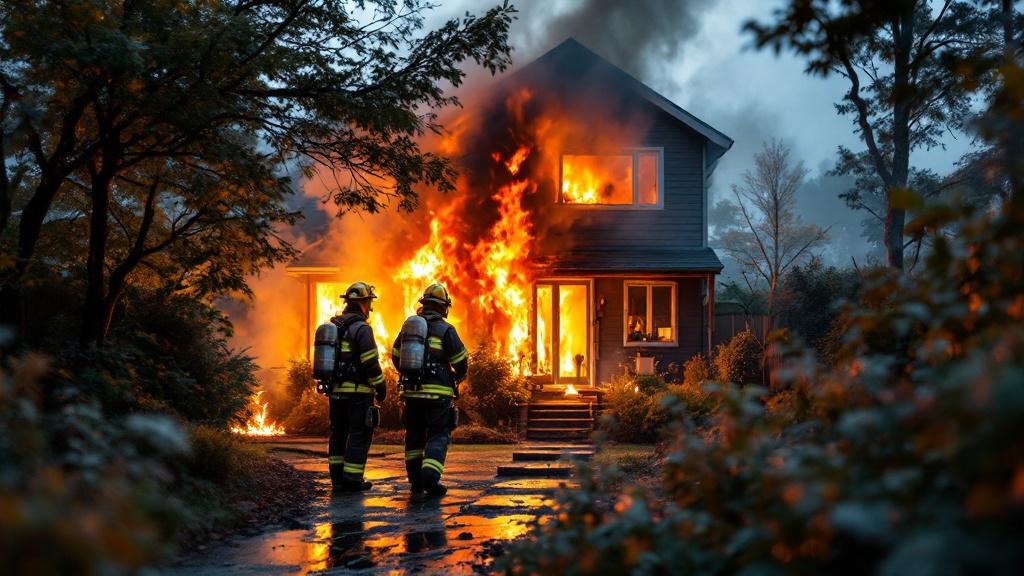
Arrange temporary housing through your Additional Living Expenses coverage. Keep detailed receipts for all fire-related expenses including hotels, meals, clothing, and necessities.
Create a preliminary inventory of damaged items while details remain fresh. Include approximate purchase dates, costs, and replacement values for high-value items like electronics, jewelry, and appliances.
Contact utilities to disconnect services and prevent additional hazards. Coordinate with local authorities for required permits before accessing the property for documentation purposes.
Insurance Adjuster Inspection
Insurance adjusters typically arrive within 2-5 business days to begin comprehensive damage evaluation. They assess structural integrity, identify covered perils, and estimate repair or replacement costs.
Company adjusters work for your insurance provider, while independent adjusters contract with multiple insurers. Both must follow identical claim evaluation standards, but independent adjusters often provide more thorough inspections.
Adjusters examine fire damage patterns, smoke infiltration, water damage from suppression efforts, and secondary damage from broken windows or roof damage. Their findings directly determine coverage applicability and settlement amounts.
Prepare a detailed damage list before the adjuster’s visit. Include room-by-room descriptions, damaged systems, and any items requiring immediate attention for safety reasons.
Damage Documentation Requirements
Comprehensive documentation supports every aspect of your fire damage insurance claim. Insurance companies require detailed evidence to validate losses and calculate appropriate settlements.
Photograph every damaged room from multiple angles, focusing on structural damage, appliances, fixtures, and personal property. Include close-up shots showing specific damage details and wide shots showing overall scope.
Maintain original receipts, warranties, and proof of purchase for all damaged items. For items without receipts, research comparable replacement costs and document your findings with online listings or retail quotes.
Create detailed inventory spreadsheets listing each damaged item with descriptions, purchase dates, original costs, and current replacement values. This documentation expedites settlement and ensures comprehensive coverage.
Types of Fire Damage Coverage
Fire damage coverage includes dwelling protection for structural repairs, personal property replacement, and additional living expenses during reconstruction, each with specific limits and requirements.
Standard homeowner insurance policies provide comprehensive fire damage protection through multiple coverage categories. Understanding each type helps maximize your settlement and avoid coverage gaps during claims.
Coverage limits vary significantly between policies, making it essential to review your specific policy terms before filing claims. Many homeowners discover coverage limitations only after experiencing significant losses.
Structure Coverage
Dwelling coverage protects your home’s structure including walls, roof, built-in appliances, and attached structures like garages or decks. This coverage typically represents your policy’s largest component.
| Coverage Level | Average Limit | Rebuilding Cost | Coverage Gap |
|---|---|---|---|
| Basic Policy | $300,000 | $450,000 | $150,000 |
| Extended Policy | $500,000 | $450,000 | $0 |
| Guaranteed Replacement | Unlimited | $450,000 | $0 |
California building codes and material costs significantly impact rebuilding expenses. Many policies written years ago lack adequate coverage for current construction costs, creating substantial out-of-pocket expenses.
Extended replacement cost coverage provides additional funds beyond policy limits, typically 25-50% extra. Guaranteed replacement cost offers unlimited coverage but requires specific policy endorsements and higher premiums.
Personal Property Claims
Personal property coverage replaces damaged belongings including furniture, clothing, electronics, and other contents. Standard coverage equals 50-70% of your dwelling coverage limit.
Contents claims require detailed inventories with proof of ownership and value. High-value items like jewelry, art, or collectibles often need separate scheduled coverage for full protection.
Replacement cost coverage pays current prices for new items, while actual cash value subtracts depreciation. The coverage type significantly affects settlement amounts, especially for older items with substantial depreciation.
Document serial numbers, model numbers, and purchase receipts for electronics and appliances. This information expedites claim processing and prevents disputes over item values or authenticity.
Additional Living Expenses
Additional Living Expenses (ALE) coverage pays for temporary housing, meals, and increased living costs while your home remains uninhabitable. Coverage typically lasts 12-24 months depending on reconstruction time.
| Expense Category | Coverage Percentage | Typical Limits |
|---|---|---|
| Temporary Housing | 100% of reasonable costs | 12-24 months |
| Meal Expenses | Additional costs only | $50/day per person |
| Storage Fees | 100% of necessary costs | Duration of displacement |
ALE coverage pays the difference between your normal living expenses and temporary increased costs. For example, if your normal housing costs $2,000 monthly and temporary housing costs $3,500, ALE covers the $1,500 difference.
Keep meticulous records of all fire-related expenses including receipts, invoices, and mileage logs. Poor documentation can result in denied reimbursements or reduced settlements.
Common Insurance Claim Issues
Common fire insurance claim issues include underpayment of settlements, coverage disputes over policy interpretations, and depreciation versus replacement cost disagreements that require professional resolution.
Insurance claim disputes arise in approximately 40% of fire damage cases, creating delays, reduced settlements, and additional expenses for homeowners. Understanding common issues helps prepare for potential challenges and develop resolution strategies.
Most disputes stem from policy interpretation differences, inadequate documentation, or adjuster errors in damage assessment. These issues often require professional intervention through public adjusters, attorneys, or appraisal processes.
Underpayment Problems
According to FEMA studies, 65% of homeowners receive initial settlements below actual replacement costs, requiring additional negotiations to reach fair compensation.
Insurance companies often issue conservative initial settlements to minimize payouts. These lowball offers rely on homeowners accepting inadequate compensation without challenging the assessment.
Signs of underpayment include settlements significantly below contractor estimates, exclusion of necessary repairs, or failure to account for code upgrades required during reconstruction.
Challenge underpayments by obtaining independent repair estimates from licensed contractors. Compare these estimates with adjuster assessments to identify discrepancies and document disputes.
Consider hiring independent appraisers for complex claims or high-value properties. Professional appraisals provide objective damage assessments that support negotiation efforts or formal dispute processes.
Coverage Disputes
Coverage disputes occur when insurance companies deny claims based on policy exclusions, coverage limitations, or cause-of-loss disagreements. These disputes require careful policy analysis and documentation review.
Common denial reasons include maintenance-related issues, pre-existing damage, or coverage gaps for specific perils. Each dispute requires specific evidence and legal arguments to overturn denial decisions.
Appeal coverage denials immediately using your policy’s dispute resolution procedures. Include additional documentation, expert opinions, or legal precedents supporting your position.
Document all communications with your insurance company including dates, representatives’ names, and conversation summaries. This record supports appeals or legal action if necessary.
Depreciation vs Replacement Cost
Replacement Cost Value (RCV) policies pay full replacement costs for damaged items, while Actual Cash Value (ACV) policies subtract depreciation from settlements. This difference significantly impacts claim payouts.

| Item Type | Original Cost | ACV Settlement | RCV Settlement |
|---|---|---|---|
| 10-year roof | $25,000 | $12,500 | $25,000 |
| 5-year HVAC system | $8,000 | $6,000 | $8,000 |
| 15-year flooring | $15,000 | $7,500 | $15,000 |
RCV policies typically hold depreciation amounts until homeowners complete repairs and submit invoices. This system ensures policy funds support actual reconstruction rather than alternative uses.
Understand your policy’s depreciation recovery procedures before beginning repairs. Failure to follow proper procedures can result in forfeited depreciation payments and reduced overall settlements.
Struggling with Fire Insurance Claims?
Don’t let insurance disputes delay your recovery. First Choice Home Sale purchases fire-damaged properties regardless of insurance claim status. We handle complex settlement negotiations and provide immediate cash relief. Call (866) 643-5829 to explore your options.
Selling Fire Damaged Property Options
Selling fire-damaged property offers alternatives to lengthy reconstruction including as-is cash sales, insurance settlement assignments, and immediate liquidity solutions for homeowners seeking quick resolution.
Fire-damaged property owners face critical decisions between rebuilding and selling that impact their financial recovery and future housing plans. Market conditions, personal circumstances, and insurance settlements influence the optimal path forward.
Rebuilding vs Selling As-Is
Rebuilding requires 6-18 months depending on damage severity, permit processing, and contractor availability. This timeline assumes adequate insurance coverage and no construction delays from material shortages or weather.
| Option | Timeline | Out-of-Pocket Costs | Market Risk |
|---|---|---|---|
| Rebuild | 6-18 months | $25,000-75,000 | High |
| Sell As-Is | 30-45 days | $0-5,000 | Low |
| Cash Sale | 7-14 days | $0 | None |
Selling as-is eliminates construction risks, permitting delays, and cost overruns that commonly exceed insurance settlements. Cash buyers purchase fire-damaged properties at discounted prices reflecting repair costs and market conditions.
Consider selling if insurance settlements prove inadequate, reconstruction costs exceed budget capabilities, or personal circumstances require immediate relocation. Market timing also influences decision-making when property values decline or construction costs surge.
Cash Sale Benefits
Cash sales provide immediate liquidity without reconstruction delays, permit requirements, or contractor coordination. Professional investors purchase fire-damaged properties regardless of damage severity or insurance claim status.
Avoid the stress and complexity of managing reconstruction projects while dealing with insurance companies, contractors, and permit offices simultaneously. Cash sales transfer all construction risks and responsibilities to experienced buyers.
Tax implications favor cash sales in many situations. Selling damaged property may qualify for casualty loss deductions or capital loss treatment, reducing overall tax burdens compared to rebuilding scenarios.
Professional fire damage buyers understand insurance processes and often coordinate directly with insurance companies to streamline transactions. This expertise eliminates homeowner involvement in complex settlement negotiations.
Insurance Settlement Considerations
Coordinate property sales with insurance settlements to maximize financial recovery. Some policies allow assignment of benefits to buyers, enabling direct insurance payouts to purchasing investors.
Fire damage house sale options include cash purchases with simultaneous insurance claim assignments, providing sellers with immediate proceeds while buyers manage claim completion.
Timing considerations affect settlement amounts and tax implications. Selling before claim completion may reduce recovery amounts, while delayed sales risk market depreciation or additional damage exposure.
Work with buyers experienced in insurance processes who understand claim procedures and can close transactions efficiently. Professional investors often provide higher offers by accurately assessing insurance recovery potential.
Working with Public Adjusters
Public adjusters represent homeowners in insurance claims, typically increasing settlements by 15-25% while charging 10-15% of final payouts for their expertise in complex fire damage cases.
Public adjusters serve as professional advocates for policyholders during insurance claims, providing expertise in policy interpretation, damage assessment, and settlement negotiations that individual homeowners often lack.
Licensed public adjusters work exclusively for homeowners rather than insurance companies, eliminating conflicts of interest that can affect claim outcomes. Their compensation depends on securing maximum settlements for clients.
When to Hire a Public Adjuster
Consider public adjusters for claims exceeding $100,000, complex damage patterns involving multiple perils, or disputed coverage issues requiring professional advocacy. Large losses benefit most from professional representation.
Hire public adjusters immediately if insurance companies deny claims, offer inadequate settlements, or delay claim processing beyond reasonable timeframes. Early intervention prevents common adjuster tactics that reduce settlements.
Red flags indicating public adjuster needs include insurance adjusters rushing inspections, excluding obvious damage from assessments, or pressuring quick settlement acceptance. Professional advocacy protects homeowner interests during vulnerable periods.
Complex fire damage involving smoke infiltration, water damage, or code upgrade requirements often exceeds typical homeowner expertise. Public adjusters understand these technical aspects and ensure comprehensive claim evaluation.
Cost vs Benefits
| Claim Size | PA Fee | Average Increase | Net Benefit |
|---|---|---|---|
| $100,000 | $12,000 | $20,000 | $8,000 |
| $250,000 | $30,000 | $62,500 | $32,500 |
| $500,000 | $60,000 | $125,000 | $65,000 |
Public adjuster fees typically range from 10-15% of final settlements, paid only after successful claim resolution. This contingency structure aligns adjuster interests with maximizing client recoveries.
Settlement increases from public adjuster involvement average 15-25% above initial insurance offers. These improvements often exceed adjuster fees, providing net benefits for homeowners facing complex claims.
Evaluate public adjuster cost-effectiveness based on claim complexity, settlement disputes, and personal expertise levels. Simple claims with cooperative insurers may not justify professional fees, while complex disputes require professional advocacy.
California Fire Insurance Laws
California fire insurance laws require timely claim processing, mandate replacement cost coverage for policies over $100,000, and provide consumer protections specific to wildfire-prone regions.
California’s fire insurance regulations provide enhanced consumer protections reflecting the state’s wildfire exposure and insurance market challenges. These laws establish minimum coverage standards and claim processing requirements.
According to the California Department of Insurance, recent legislation requires insurers to provide at least 12 months of additional living expenses coverage and prohibits non-renewal in high-risk areas for one year following declared disasters.
State law requires insurers to acknowledge claims within 15 days and complete investigations within 40 days for fire damage claims. These timelines ensure prompt claim processing during high-volume disaster periods.
Recent legislative changes include extended moratoriums on policy cancellations in fire-affected areas and requirements for enhanced coverage disclosures. These protections address insurance availability concerns in high-risk zones.
California’s Fair Access to Insurance Requirements (FAIR) Plan provides basic fire coverage for properties unable to obtain standard insurance. This safety net ensures coverage availability despite increasing wildfire risks affecting traditional insurance markets.
Frequently Asked Questions
How long do fire insurance claims typically take to process?
Fire insurance claims typically take 30-180 days from filing to final settlement. Simple claims with clear documentation and minimal disputes resolve within 30-60 days, while complex cases involving structural damage, coverage disputes, or multiple perils can extend to 180 days or longer.
Can I sell my house with a pending insurance claim?
Yes, you can sell your house with a pending fire insurance claim. Many investors specialize in purchasing fire-damaged properties and will coordinate with insurance companies to complete claims during the transaction process. The sale may involve assignment of benefits to the buyer.
What happens if my insurance settlement doesn’t cover full reconstruction costs?
If insurance settlements prove inadequate for full reconstruction, you have several options: appeal the settlement, hire a public adjuster, obtain independent appraisals, or sell the property as-is to avoid out-of-pocket expenses. Many homeowners choose cash sales to eliminate reconstruction risks.
Do I need to rebuild in the same location after a fire?
Most insurance policies allow you to rebuild elsewhere if local restrictions prevent reconstruction on your original property. However, coverage limits may apply to different locations, and you should verify policy terms before making relocation decisions.
How does selling fire-damaged property affect my insurance claim?
Selling fire-damaged property typically doesn’t void your insurance claim, but you may need to assign benefits to the buyer or coordinate claim completion with the sale. Professional fire damage buyers often handle insurance negotiations as part of the purchase process.
What documentation do I need for a fire insurance claim?
Essential fire claim documentation includes: photos of all damage, property inventory lists, receipts for damaged items, repair estimates from licensed contractors, temporary living expense receipts, and communication records with your insurance company. Comprehensive documentation significantly impacts settlement amounts.
Ready to Sell Your Fire Damaged Property?
First Choice Home Sale provides immediate cash solutions for fire-damaged properties throughout California. We handle insurance complexities, eliminate reconstruction delays, and provide fast closings when you need them most. Contact us at (866) 643-5829 for a free consultation and cash offer within 24 hours.