
When you need to sell house with liens, structural damage, or other complex property issues, traditional buyers often walk away. First Choice Home Sale has purchased over 500 problem properties in Orange County with 100% successful closings. We handle properties with liens, code violations, and structural issues that traditional buyers cannot purchase, providing immediate cash solutions for distressed property owners throughout Southern California.
Get Your Problem Property Cash Offer Today
Facing structural damage, legal issues, or tenant problems? We buy problem properties in any condition. No repairs, no contingencies, no delays.
Call (866) 643-5829 for your free consultation with First Choice Home Sale problem property specialists.
Key Takeaways
- Problem properties include structural damage, legal complications, environmental hazards, and tenant issues that deter traditional buyers
- Cash buyers eliminate inspection contingencies and purchase properties as-is, avoiding lengthy repair processes
- Legal issues like liens, code violations, and title defects can be resolved during the cash sale process
- Structural problems including foundation issues cost $10,000-$50,000+ to repair but cash buyers handle these expenses
- Environmental hazards like mold and asbestos require specialized remediation that investors manage professionally
- Tenant-occupied properties with problem renters or eviction proceedings can be sold without tenant removal
Common Problem Property Types
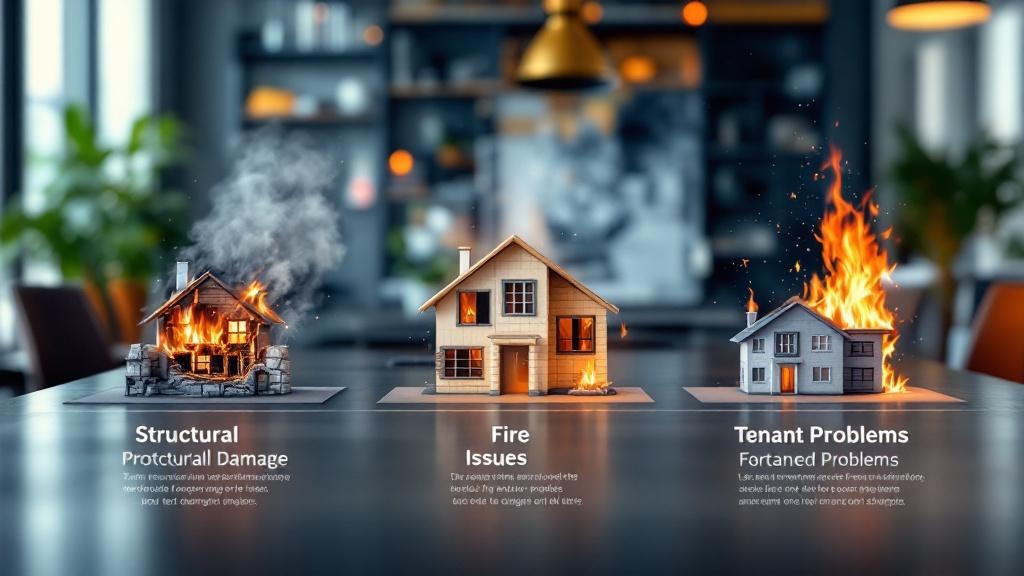
Problem properties include houses with structural damage, fire or water damage, legal complications like liens, tenant issues, environmental hazards, and code violations that prevent traditional sales.
Problem properties encompass a wide range of issues that make traditional real estate transactions difficult or impossible. According to the National Association of Realtors, approximately 15% of residential sales involve properties with significant complications requiring specialized handling.
Structural Issues and Foundation Problems
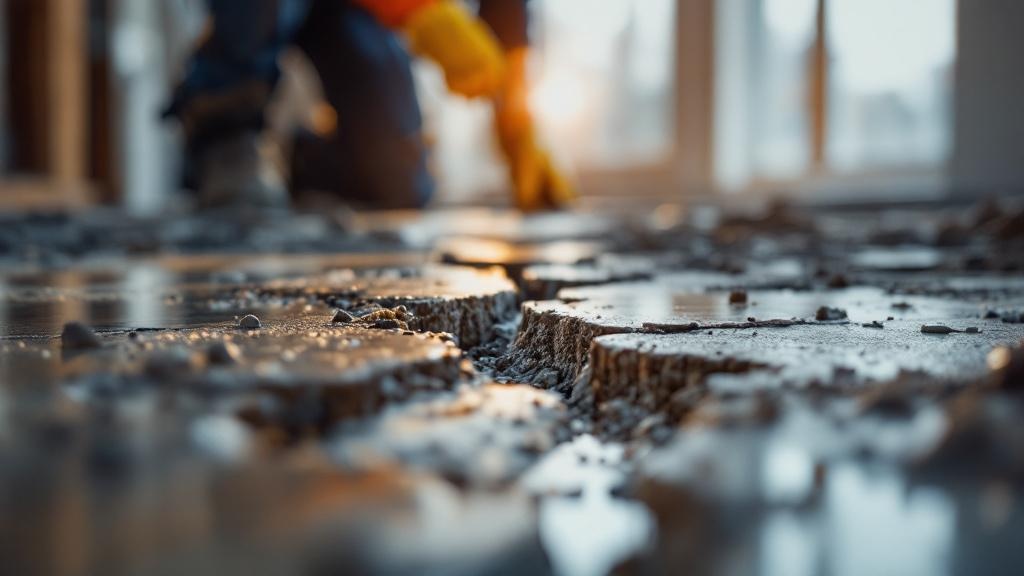
Foundation problems are among the most expensive property issues, with repair costs ranging from $10,000 to $50,000 for typical residential properties requiring professional remediation.
Foundation problems represent one of the most common and expensive property issues. Settlement cracks, structural instability, and foundation failures can cost between $10,000 and $50,000 to repair properly. Traditional buyers often require extensive inspections and repair guarantees that sellers cannot provide, making foundation problems house sale challenging through conventional channels.
Structural integrity issues extend beyond foundations to include roof damage, load-bearing wall problems, and deteriorated support systems. These complications require professional engineering assessments and specialized contractors, creating lengthy delays and uncertainty in traditional sale processes.
Fire and Water Damage
Fire and water damage create both visible and hidden problems that complicate property sales. Smoke damage penetrates deep into materials, while water damage often leads to mold growth and structural deterioration. Insurance settlements may not cover full restoration costs, leaving property owners with partially repaired houses that buyers find unacceptable.
Environmental Hazards
Environmental concerns include mold contamination, asbestos in older homes, lead paint issues, and soil contamination. According to the Environmental Protection Agency, homes built before 1978 have an 87% likelihood of containing lead-based paint. These hazards require professional remediation costing thousands of dollars and create liability concerns for sellers.
Legal Complications
Legal issues create the most complex barriers to traditional property sales. Liens against the property, title defects, boundary disputes, and code violations can take months or years to resolve. Property owners facing foreclosure or tax liens often lack the time and resources needed to clear these legal obstacles before selling.
Structural Problem Properties
Structural problems include foundation settling, roof damage, electrical issues, and plumbing failures that typically require $15,000-$75,000 in repairs and deter conventional buyers seeking move-in ready homes.
Structural issues represent the most expensive and complex category of problem properties. These problems affect the basic integrity and safety of the building, requiring specialized contractors and often substantial reconstruction work.
| Structural Issue Type | Average Repair Cost | Resolution Timeline | Buyer Impact |
|---|---|---|---|
| Foundation Settling | $10,000-$30,000 | 2-6 weeks | Requires structural engineer report |
| Roof Replacement | $15,000-$25,000 | 1-2 weeks | Insurance and financing concerns |
| Electrical Rewiring | $8,000-$15,000 | 1-3 weeks | Code compliance requirements |
| Plumbing Replacement | $12,000-$20,000 | 2-4 weeks | Water damage concerns |
Foundation Settling and Cracks
Foundation problems manifest as visible cracks in basement walls, uneven floors, doors that won’t close properly, and gaps around windows. Minor settling causes hairline cracks, while major foundation failure creates structural instability requiring immediate attention.
Professional foundation repair involves underpinning, pier installation, or complete foundation replacement. According to the Concrete Network, concrete pier systems cost $1,200-$1,500 per pier, with most homes requiring 8-12 piers for proper stabilization. Steel push piers provide permanent solutions but increase project costs significantly.
Buyers fear foundation problems because repair costs are unpredictable and structural issues may indicate other hidden problems. Mortgage lenders often refuse financing for properties with active foundation problems, forcing sellers to find cash buyers or complete expensive repairs first.
Foundation warranties typically last 25-30 years but require regular maintenance and inspection. Transfer of these warranties to new owners often involves additional fees and conditions that complicate traditional sales processes.
Roof Damage and Leaks
Roof problems range from minor leaks to complete structural failure. Storm damage, age-related deterioration, and poor installation create safety hazards and water infiltration issues. Missing shingles, damaged flashing, and compromised gutters allow water penetration that damages interior structures.
Insurance claims for roof damage often result in partial payments or coverage denials, leaving property owners responsible for expensive repairs. Temporary roof repairs cost $300-$1,500 but don’t address underlying structural problems that deter buyers.
Complete roof replacement costs $15,000-$25,000 for typical residential properties, depending on materials and complexity. Buyers worry about hidden water damage, mold growth, and structural integrity issues associated with chronic roof leaks.
Electrical System Issues
Electrical problems include outdated wiring, insufficient capacity, code violations, and safety hazards. Homes with knob-and-tube wiring, aluminum conductors, or Federal Pacific panels face insurance and financing restrictions that complicate traditional sales.
Modern electrical codes require GFCI protection, adequate grounding, and proper capacity for contemporary appliances. Upgrading electrical systems costs $8,000-$15,000 and requires permits and inspections that extend project timelines.
Buyers and lenders view electrical problems as safety risks requiring immediate attention. Home inspectors flag electrical issues as major concerns, often leading to deal cancellations or expensive repair negotiations.
Plumbing Problems
Plumbing issues include leaking pipes, sewer line problems, water pressure issues, and fixture failures. Galvanized steel pipes deteriorate over time, creating low water pressure and contamination concerns that buyers find unacceptable.
Sewer line replacement costs $3,000-$7,000 for typical residential properties, while complete plumbing system updates range from $12,000-$20,000. Water damage from leaking pipes creates additional mold and structural problems that compound repair expenses.
Modern buyers expect updated plumbing with PEX or copper piping, adequate water pressure, and properly functioning fixtures. Properties with plumbing problems often fail home inspections, leading to costly repair demands or sale cancellations.
Damage-Related Issues
Damage-related issues include fire, water, storm, and vandalism damage that require specialized restoration costing $20,000-$100,000+ and often involve complex insurance settlements and health safety concerns.
Damage-related problems create both visible destruction and hidden complications that make properties unsuitable for traditional buyers. These issues often involve insurance claims, health hazards, and extensive restoration requirements.
Fire Damage Assessment
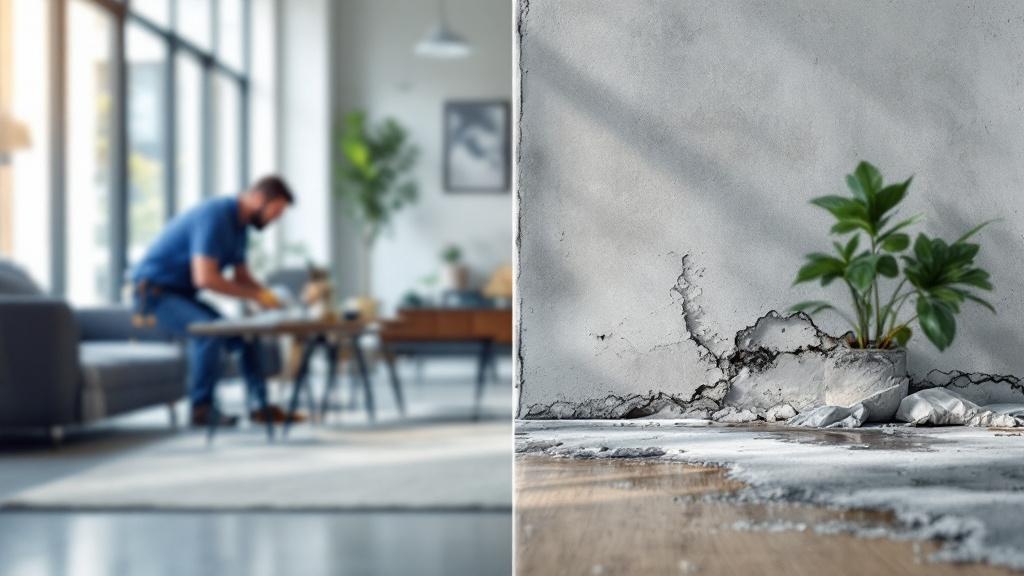
Fire damage extends far beyond visible burning, creating smoke contamination throughout the structure. Smoke particles penetrate porous materials, requiring specialized cleaning or replacement. Heat damage weakens structural components even in areas without visible fire damage.
Professional fire damage restoration costs $15,000-$50,000 for moderate damage and $75,000-$150,000 for extensive destruction. Insurance settlements often dispute coverage amounts, creating lengthy negotiations that delay property resolution.
Structural assessments determine whether fire-damaged properties can be safely repaired or require demolition. Engineering reports cost $1,500-$3,000 but provide essential information for determining restoration feasibility and costs.
Fire-damaged properties often have lingering odors that require ozone treatment or thermal fogging. These remediation processes add $2,000-$5,000 to restoration costs but remain essential for habitability.
Water Damage and Mold
Water damage creates immediate structural problems and long-term health hazards through mold growth. Standing water damages flooring, drywall, insulation, and electrical systems within hours of exposure.
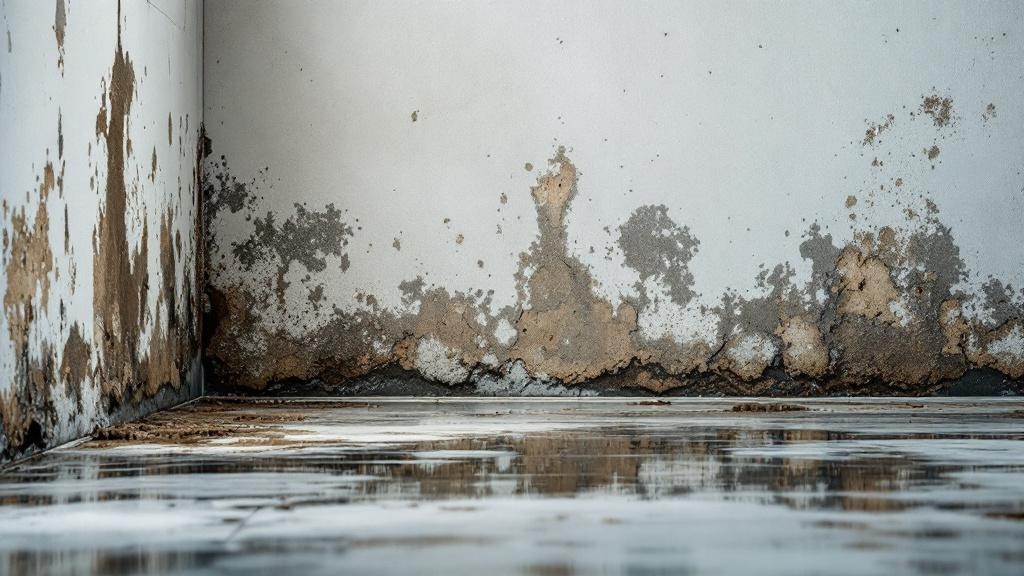
Professional water damage restoration involves water extraction, dehumidification, sanitization, and reconstruction. Category 1 clean water damage costs $3-$5 per square foot to remediate, while Category 3 contaminated water damage costs $7-$10 per square foot.
Mold growth begins within 24-48 hours of water exposure, requiring professional remediation costing $1,500-$9,000 depending on contamination extent. Toxic black mold creates health liability concerns that deter traditional buyers and complicate insurance coverage.
Hidden moisture trapped in wall cavities and subfloor areas continues causing damage long after initial water removal. Thermal imaging and moisture meters cost $300-$500 but identify problem areas requiring attention.
Storm and Natural Disaster Damage
Storm damage includes wind destruction, hail damage, flood contamination, and fallen tree impacts. Natural disasters often cause multiple simultaneous problems requiring comprehensive restoration approaches.
According to the Federal Emergency Management Agency, FEMA assistance provides partial relief for natural disaster victims, but funding limitations and eligibility restrictions leave property owners responsible for significant repair costs. Insurance deductibles for storm damage typically range from $1,000-$5,000, while coverage exclusions may eliminate flood or wind damage protection.
Flood-damaged properties require extensive remediation including electrical system replacement, insulation removal, and structural drying. FEMA flood maps affect future insurance costs and marketability, creating long-term buyer concerns.
Vandalism and Break-ins
Vandalism creates security concerns and visible damage that affects property marketability. Broken windows, damaged doors, graffiti, and interior destruction require immediate attention for safety and habitability.
Security system installation and property boarding cost $1,000-$3,000 for temporary protection while permanent repairs are completed. Vandalism repair costs vary widely based on damage extent and property location.
Repeated vandalism incidents indicate neighborhood security problems that concern potential buyers and affect long-term property values. Insurance claims for vandalism often have higher deductibles and coverage limitations.
Facing Fire or Water Damage? We Can Help
Don’t let insurance complications and restoration costs overwhelm you. First Choice Home Sale purchases fire and water damaged properties as-is, handling all restoration requirements.
Call (866) 643-5829 today for a no-obligation cash offer on your damaged property.
Legal and Title Issues
Legal issues include property liens, title defects, code violations, and zoning problems that can take 6-18 months to resolve through traditional channels and prevent conventional financing and sales.
Legal complications create the most complex barriers to property sales, often requiring attorney involvement and lengthy resolution processes. These issues affect property ownership rights and marketability.

| Legal Issue Type | Resolution Timeline | Average Cost | Impact on Sale |
|---|---|---|---|
| Tax Liens | 30-90 days | $5,000-$25,000 | Prevents traditional financing |
| Mechanic’s Liens | 60-120 days | $2,000-$15,000 | Requires contractor negotiation |
| Code Violations | 90-180 days | $3,000-$20,000 | Municipal compliance required |
| Title Defects | 120-365 days | $2,500-$10,000 | Prevents clear ownership transfer |
Liens and Judgments
Property liens represent legal claims against real estate that must be satisfied before clear title transfer. Tax liens from unpaid property taxes, income taxes, or special assessments create priority claims that supersede other debts.
Our lien resolution services help property owners navigate complex lien satisfaction requirements. Mechanic’s liens from unpaid contractor work require negotiation and settlement before sale completion.
Judgment liens result from court orders requiring debt payment. These liens attach to all property owned by the debtor and require satisfaction or negotiated settlement before property transfer.
Federal tax liens carry 10-year collection periods with renewal options, while state tax liens vary by jurisdiction. IRS payment plans allow lien subordination in some cases, enabling property sales while maintaining payment obligations.
Title Defects
Title defects prevent clear ownership transfer and include boundary disputes, easement problems, and chain of title issues. Boundary surveys cost $1,500-$3,000 but provide essential documentation for resolving property line disputes.
Quiet title actions resolve ownership questions through court proceedings costing $3,000-$8,000 in attorney fees and court costs. These legal processes take 6-12 months to complete and require notice to all potential claimants.
Missing heirs, forged deeds, and clerical errors create title clouds that require professional resolution. Title issues house sale specialists help identify problems and develop resolution strategies.
Title insurance claims provide limited protection for covered defects but may not address all title problems. Enhanced title policies cost 10-15% more than standard coverage but provide broader protection for buyers and lenders.
Code Violations
Municipal code violations include building permit violations, safety infractions, and property maintenance issues. Cities issue correction notices requiring compliance within specified timeframes, often 30-90 days.
Code violations house sale options include correction, appeal, or negotiated settlement with municipal authorities. Violation correction costs range from $500 for minor issues to $20,000+ for major safety violations.
Building permit violations require retroactive permit applications and inspections. Unpermitted additions, electrical work, or structural modifications may require partial demolition and reconstruction to achieve code compliance.
Occupancy certificates and certificates of compliance provide official documentation that properties meet municipal requirements. These documents cost $100-$500 but are essential for traditional property sales.
Zoning Problems
Non-conforming use issues arise when properties don’t comply with current zoning regulations. Grandfathered uses may be eliminated when properties change ownership or undergo substantial modifications.
Zoning variances allow exceptions to standard regulations but require public hearings and neighborhood notice. Variance applications cost $500-$2,000 and take 60-120 days for approval decisions.
Commercial properties in residential zones, oversized structures, and illegal rentals create zoning compliance problems that affect marketability. Municipal enforcement actions may require property modifications or use changes.
Tenant and Occupancy Issues
Tenant issues include non-paying renters, property damage, eviction complications, and rent control restrictions that prevent traditional buyers from obtaining vacant possession and financing approval.
Tenant-related problems create unique challenges for property sales, as most buyers prefer vacant properties they can immediately occupy or renovate. Legal protections for tenants vary by state and can significantly extend resolution timelines.
Problem Tenants
Non-paying tenants create immediate income loss and potential property damage concerns. Late rent payments, lease violations, and unauthorized occupants complicate property management and deter potential buyers.
Tenant damage beyond normal wear and tear includes holes in walls, carpet damage, broken fixtures, and neglected maintenance. Security deposits typically cover $1,000-$2,500 in damages, but extensive destruction may cost $5,000-$15,000 to repair.
Lease violations include unauthorized pets, subletting, noise complaints, and illegal activities. These violations provide grounds for lease termination but require proper legal procedures and documentation.
Criminal activity on rental properties creates liability concerns for property owners and affects neighborhood safety perceptions. Drug activity, domestic violence, and theft incidents may require immediate eviction actions.
Eviction Complications
Eviction proceedings follow strict legal procedures that vary by state and can take 30-120 days to complete. Court filing fees, process server costs, and attorney fees add $1,500-$3,500 to eviction expenses.
Tenant occupied property solutions allow property sales without completing eviction proceedings. Cash buyers often purchase properties with tenants in place, assuming eviction responsibilities.
COVID-19 eviction moratoriums extended protection periods and created additional procedural requirements. Many jurisdictions maintain enhanced tenant protections that complicate eviction timing and procedures.
Wrongful eviction lawsuits expose property owners to significant liability and damage awards. Proper legal procedures and documentation are essential for successful eviction proceedings.
Rent Control Properties
Rent control regulations limit rental income potential and restrict ownership rights. Below-market rents reduce property values and cash flow, making properties less attractive to investors.
Rent stabilization laws provide tenant protections that survive property ownership changes. New owners must honor existing leases and rent control restrictions, limiting property improvement options.
Costa-Hawkins Act in California prevents rent control application to single-family homes and condominiums built after 1995, but local ordinances may impose additional restrictions.
Squatter Situations
Squatters occupy properties without legal right or lease agreements, creating complex removal challenges. Adverse possession laws in some states provide pathways for squatters to claim property ownership after extended occupation periods.
Learn about problem tenant solutions for properties with unauthorized occupants. Professional squatter removal services cost $2,000-$5,000 but provide legal protection and documentation.
Vacant property security measures including regular inspections, proper locks, and security systems help prevent squatter occupation. Property monitoring services cost $100-$300 monthly but provide peace of mind for absent owners.
Environmental Concerns
Environmental hazards include mold contamination, asbestos materials, lead paint, and soil contamination that require specialized testing, professional remediation, and create health liability concerns for property owners and buyers.
Environmental issues pose health risks and create legal liability concerns that complicate traditional property sales. Professional testing and remediation are often required before properties can be marketed successfully.
Mold and Asbestos
Mold contamination occurs in properties with moisture problems, creating health risks and requiring professional remediation. Visible mold indicates larger contamination that may extend throughout the structure.
Professional mold testing costs $300-$1,000 and identifies contamination extent and species. Toxic black mold (Stachybotrys) creates serious health concerns and requires immediate remediation costing $1,500-$9,000.
Asbestos materials were commonly used in homes built before 1980, particularly in insulation, floor tiles, and roofing materials, requiring professional removal costing $5,000-$20,000 when disturbed.
Asbestos inspection and testing cost $400-$1,200 but are essential for properties built before 1980. Encapsulation provides a less expensive alternative to removal but may limit future renovation options.
Lead Paint Issues
Lead-based paint was banned for residential use in 1978, but remains present in millions of older homes. According to the U.S. Department of Housing and Urban Development, 87% of homes built before 1940 contain lead-based paint.
Lead paint disclosure requirements mandate seller notification and provide buyers with 10-day inspection periods. Violation penalties range from $11,000-$22,000 per violation, creating significant liability for property owners.
Lead paint remediation costs $8,000-$15,000 for typical homes and requires EPA-certified contractors using approved procedures. Paint stabilization provides temporary solutions costing $1,000-$4,000 but doesn’t eliminate long-term hazards.
Rental properties with lead paint face additional regulations requiring annual testing and tenant notification. Lead-safe work practices are required for all renovation activities in pre-1978 properties.
Contaminated Soil
Soil contamination from underground storage tanks, chemical spills, or industrial use creates environmental liability and remediation requirements. Phase I Environmental Site Assessments cost $2,000-$5,000 and identify potential contamination sources.
Underground storage tank removal costs $2,500-$8,000, while soil remediation for petroleum contamination ranges from $10,000-$50,000 depending on contamination extent and cleanup standards.
State environmental agencies maintain contaminated site databases that affect property marketability and insurance availability. Properties on contaminated site lists may require ongoing monitoring and cleanup obligations.
Environmental insurance provides liability protection for contamination issues but costs $1,500-$5,000 annually and may not cover all potential exposures.
HVAC and Air Quality
Indoor air quality problems include inadequate ventilation, contaminated ductwork, and HVAC system failures. Poor air quality creates health concerns and habitability issues that affect property marketability.
Duct cleaning and sanitization cost $300-$1,000 but improve air quality and system efficiency. HVAC system replacement costs $5,000-$12,000 for typical residential properties.
Radon gas occurs naturally but concentrates in basements and lower levels of buildings. Radon testing costs $100-$300, while mitigation systems cost $1,200-$2,500 to install.
Cash Buying Advantage
Cash buyers eliminate financing contingencies, inspection requirements, and appraisal concerns while purchasing properties as-is with quick closings typically completed within 7-21 days versus 30-60 days for traditional sales.
Cash purchase transactions provide significant advantages for problem property sales by removing common obstacles that prevent traditional buyer financing and contract completion.
| Sale Method | Average Timeline | Contingencies | Repair Requirements | Failure Rate |
|---|---|---|---|---|
| Traditional Sale | 45-60 days | Financing, Inspection, Appraisal | Buyer demands repairs | 25-30% |
| Cash Purchase | 7-21 days | None typically | As-is purchase | 5-10% |
| Investor Purchase | 10-14 days |